
2026-10-21 ·
Water-Damaged Flooring Repair in Miami, FL – Restore Your Floors Today
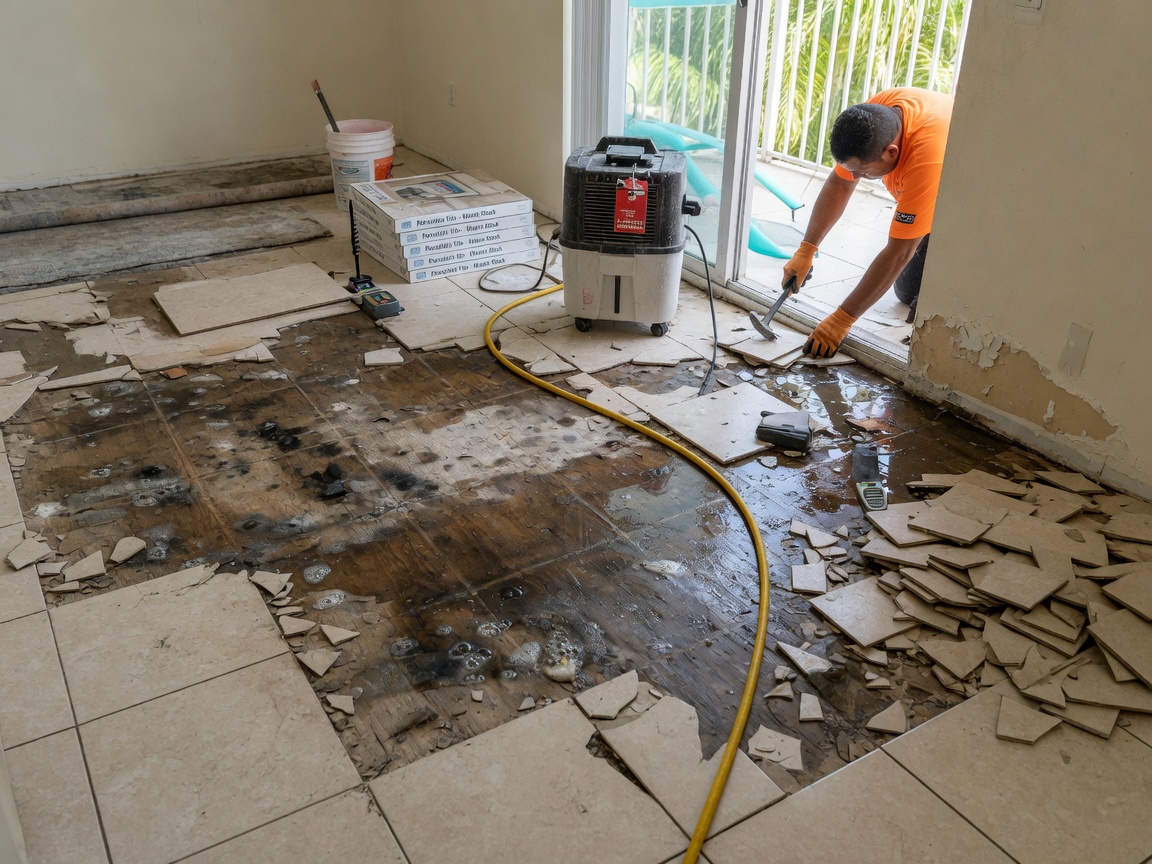
Repairing water-damaged flooring in Miami, FL, is often possible, but the feasibility and cost depend heavily on the type of flooring, the extent of the damage, and how quickly action is taken. Minor water exposure might allow for drying and restoration, potentially costing anywhere from $500 to $2,500 for a smaller area, while extensive damage or mold growth could necessitate full replacement, with costs ranging from $3,000 to over $10,000 for an average room, depending on the material. Given Miami's tropical monsoon climate with its hot, wet summers and the risk of sudden downpours or even hurricane flooding, acting fast is crucial. Delaying can turn a salvageable situation into a complete tear-out and replacement, particularly in older homes found in neighborhoods like Little Havana or Coconut Grove, where subflooring might be more susceptible to long-term moisture issues.
Understanding Water Damage to Different Flooring Types
The way water affects your flooring varies significantly by material. In Miami-Dade County, many homes feature a mix of tile, laminate, engineered wood, and even some traditional hardwood. Each material reacts differently to moisture, impacting the repair strategy. For instance, ceramic and porcelain tiles themselves are largely impervious to water, but the grout and subfloor beneath can absorb moisture, leading to cracking, efflorescence, or even tile tenting if not addressed. The humid conditions here mean that even a small leak can quickly become a breeding ground for mold under these surfaces. If you notice discoloration in your grout or a musty odor, it's a strong indicator of underlying water issues.
Laminate flooring is particularly vulnerable. Its particleboard core swells irreversibly when exposed to water, causing buckling, warping, and delamination. Once this occurs, repair is rarely an option; replacement of the affected planks or the entire floor section is typically necessary. Engineered wood floors, while more stable than solid hardwood, can still delaminate or warp if water penetrates the top layer and reaches the core. Solid hardwood, common in some historic homes in areas like Coral Gables, can cup, buckle, and stain. If dried quickly and properly, some hardwood floors can be refinished, but prolonged exposure often means irreversible damage. Our team specializes in assessing these specific challenges, providing tailored solutions for water damage restoration across Miami.
Key Factors Influencing Repair vs. Replacement
Deciding whether to repair or replace water-damaged flooring hinges on several critical factors. The category of water is paramount: clean water from a burst pipe is less hazardous than grey water from a washing machine overflow or black water from sewage, which always necessitates removal and disinfection. The duration of exposure also plays a huge role; floors exposed for mere hours have a much higher chance of salvage than those soaked for days. In the humid Miami environment, mold can begin to grow within 24–48 hours, especially in enclosed spaces like under flooring. The extent of damage—whether it's localized to a small area or spread across multiple rooms—will also dictate the scope of work. Finally, the type and age of the flooring itself are crucial. Older, less resilient materials might not withstand the drying process as well as newer, more robust options.
For example, a small, contained water spill on a newer, well-sealed tile floor in a Brickell condo might only require targeted drying and grout repair. Conversely, a prolonged leak under an older laminate floor in an Overtown home would almost certainly require full removal and replacement due to extensive swelling and potential mold growth. We always prioritize a thorough inspection to provide an accurate assessment, often involving moisture meters and thermal imaging to detect hidden water pockets, a critical step in preventing future problems.
The Water-Damaged Flooring Repair Process
The repair process for water-damaged flooring in Miami is systematic and requires specialized equipment and expertise. It typically begins with Water Extraction, where powerful pumps and vacuums remove standing water. This is a crucial first step, especially after heavy rains or a plumbing emergency. Next comes Drying and Dehumidification, using industrial-grade air movers and dehumidifiers to thoroughly dry out the flooring, subflooring, and surrounding structures. This phase is particularly important in Miami's humid climate to prevent secondary damage and mold. We monitor moisture levels meticulously to ensure complete drying. For more information on this vital stage, refer to our article on top signs of water damage needing repair in miami.
Once dry, the Damage Assessment and Repair/Removal phase begins. For salvageable floors, this might involve sanding and refinishing hardwoods, replacing individual tiles and regrouting, or applying antimicrobial treatments. If the damage is too severe, especially with materials like laminate or heavily warped engineered wood, removal of the affected flooring and subflooring is necessary. This step also includes addressing any mold remediation after water damage in condos or homes, which is a common concern in Miami-Dade County. Finally, Restoration and Reconstruction involves installing new flooring materials, repairing or replacing subflooring, and ensuring the area is returned to its pre-damage condition. Our goal is always to restore your property efficiently and effectively.
Preventing Future Water Damage to Your Floors
While we're here to help when disaster strikes, proactive measures can significantly reduce the risk of water damage to your floors. Regular maintenance of plumbing systems is key; inspect pipes, hoses on appliances like washing machines and refrigerators, and water heaters for any signs of leaks or corrosion. Given Miami's tropical monsoon climate, ensuring your roof and gutters are in good repair is paramount, especially before the wet season. Clear gutters prevent water from pooling around your foundation, which can lead to seepage under your home.