2026-10-04 ·
247 emergency water extraction in miami quick guide
# 247 emergency water extraction in miami quick guide
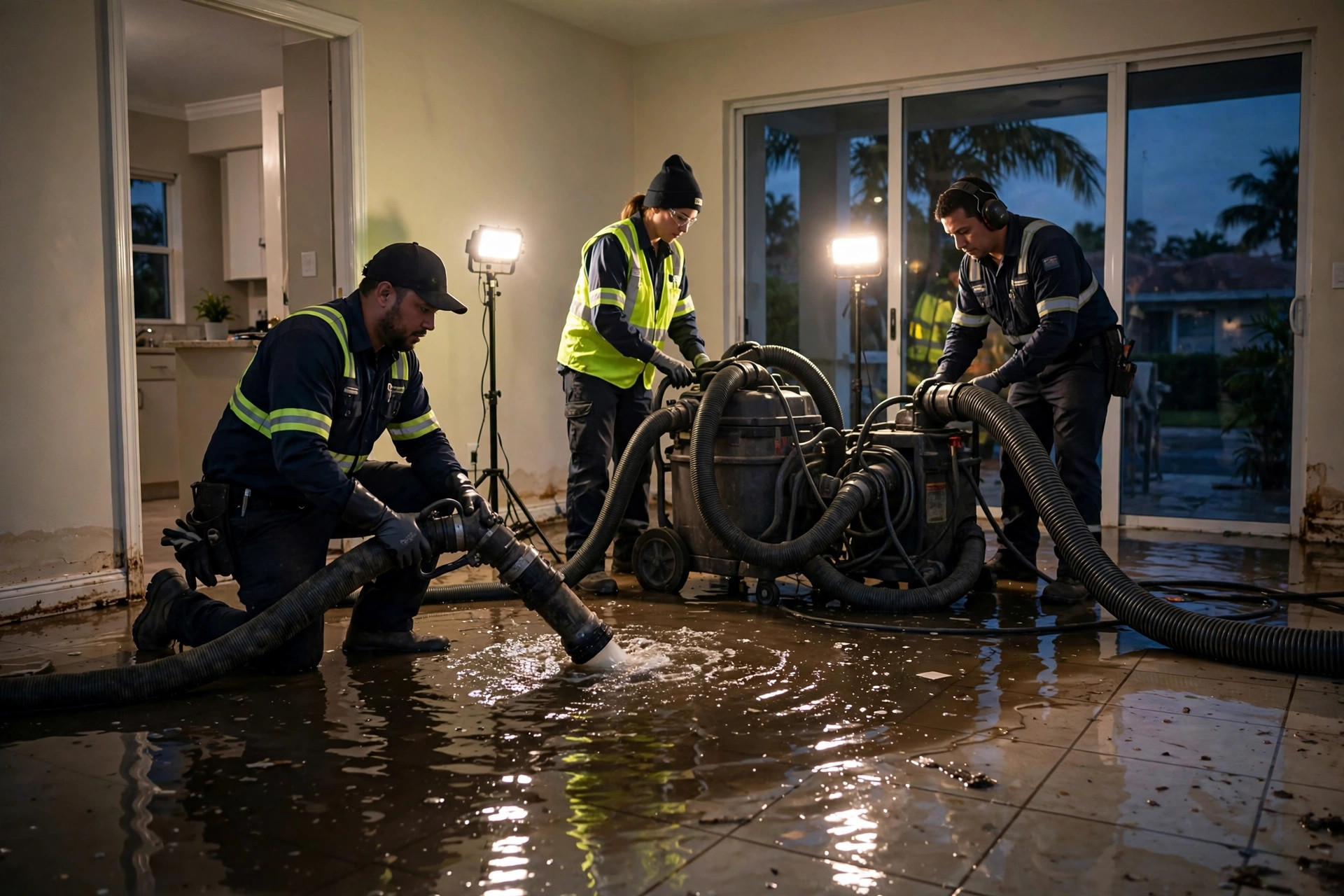
Most emergency water extractions in Miami take 1–6 hours of active truck-mounted pump and extractor work for standing water removal, with full structural drying typically running 2–7 days using air movers and dehumidifiers; emergency extraction jobs can cost roughly $400–$2,500 for initial extraction depending on volume, access, and water class. This quick answer assumes typical events in Miami-Dade County such as a flooded condo in Brickell or a ground-floor home in Little Havana—large hurricane-driven floods or sewage backups will push time and cost higher and require additional remediation steps. Below I explain what happens immediately, what drives cost, how Miami’s neighborhoods and climate change the plan on the ground, and practical things homeowners can do while you wait for crews available 24/7.
What to expect in the first 2 hours after you call
When you call for 24/7 emergency water extraction crews in Miami, expect a prioritized timeline: first, a rapid visual inspection and safety check (electrical, gas, contaminated water). Crews usually deploy pumps, portable extractors, and trash pumps for volumes near street level in neighborhoods like Coconut Grove or Overtown. For condo towers in Downtown Miami, Brickell, or Edgewater where access is vertical, extraction often begins with portable extractors and specially routed hoses through service elevators and interior chases. Key immediate tasks:
- secure utilities or advise shutoff with your utility provider;
- remove standing water with submersible pumps and carpet extractors;
- perform quick content triage for valuables and electronics;
- document damage with photos for insurance and scope.
Because Miami has a high water table and many buildings sit close to sea level, crews check for saltwater intrusion after storm surge near Bayside Marketplace, Miami Beach, or seaside Coral Gables pockets—salt increases corrosion and often means additional cleaning steps. If mold risk is visible, crews will recommend follow-up mold remediation like our emergency mold remediation after floods in Miami homes.
Costs and factors that change price
Price varies with the water source (clean vs. gray vs. black), square footage, accessibility, and whether structural or contents pack-out is needed. Typical ranges for initial extraction and drying start around $400–$2,500 for many residential calls: a small one-room extraction with easy access lands at the low end, while multi-room, high-rise jobs or heavy contaminated water push to the high end. Factors that increase cost:
- contaminated or sewage water requiring hazmat procedures;
- saltwater from storm surge needing corrosion mitigation;
- restricted access in high-rises in Brickell or Downtown where hoses and equipment must be carried through elevators;
- urgent weekend or holiday response, though many crews provide 24/7 dispatching.
If contents need a full pack-out and storage, expect separate line items; see content services at content pack out and restoration from floods for how that process changes scope. Always get an on-site estimate and a written scope before work begins; Miami-Dade County insurers expect clear documentation after events near landmarks like Vizcaya Museum or Pérez Art Museum.
How Miami’s climate, housing stock, and neighborhoods affect the job
Miami’s tropical monsoon climate with hot, wet summers means standing water becomes a mold and odor problem faster than in cooler climates. In the rainy season, a broken pipe or roof leak in a Coral Gables bungalow with plaster walls will wick moisture and hide pockets of mold behind baseboards, whereas new concrete-slab condos in Brickell react differently—moisture often collects in carpet pads and HVAC plenums. Neighborhood specifics:
- Wynwood and the Design District: older warehouses converted to lofts may have porous finishes that need aggressive drying and sealing.
- Little Havana and Overtown: many older homes have plaster or wood construction with hidden cavities and higher mold risk if drying is delayed.
- Coconut Grove and Coral Gables: mature tree roots and older infrastructure can create slow leaks and sub-slab moisture.
High water table and proximity to Biscayne Bay mean floodwater often contains salts and brackish water near Miami Beach and Bayside areas, increasing cleanup complexity and the need for corrosion checks on HVAC and appliances. Expect logistical pauses for street-level stormwater or city permitting when storms overwhelm drainage near Marlins Park or Freedom Tower.
Practical steps you should take immediately (before techs arrive)
Do these safe, practical things to limit damage and speed restoration: turn off electricity to flooded areas if it’s safe; move small valuables, important documents, and electronics to a dry, elevated place; remove area rugs and portable furniture you can lift; prop up wet upholstery cushions to improve airflow. Don’t:
- walk through contaminated water with bare feet;
- run HVAC systems if ducts, compressor, or condensate lines are submerged;
- try to lift heavy appliances alone—wait for crew advice.
Photograph damage clearly for insurance. If you live in a condo tower, coordinate with building management for elevator access and sump pump locations—many Brickell and Downtown buildings have mechanical rooms that must be accessed by staff. If you suspect sewage or blackwater, isolate the area and let responders handle disposal and disinfection; that also changes disposal costs and safety protocols.
After extraction: drying, monitoring, and when to expect mold work
Extraction is step one; structural drying and monitoring are what prevent long-term mold. After pumps and extractors remove standing water, crews install air movers and industrial dehumidifiers, and set up moisture meters and thermal imaging to monitor walls, floors, and subfloors. Typical drying cycles in Miami’s humid climate run 48–168 hours depending on materials and humidity—expect dehumidifiers to run continuously and periodic tech visits to read moisture levels. If moisture remains above safe thresholds after initial drying, targeted removal of baseboards or sections of drywall may be needed.
Because hot, humid conditions accelerate mold growth, schedule mold inspections within 24–72 hours if water reached porous materials. For guidance on the mold side after drying, see our related article mold remediation after water damage in Miami and the specific service page for emergency mold work at emergency mold remediation after floods in Miami homes. Finally, our dispatch operates regular business hours of Mon–Fri 8am–6pm, Sat 9am–2pm for estimates and follow-ups, with 24/7 emergency extraction response for active flooding events.