2026-10-04 ·
top signs of water damage needing repair in miami
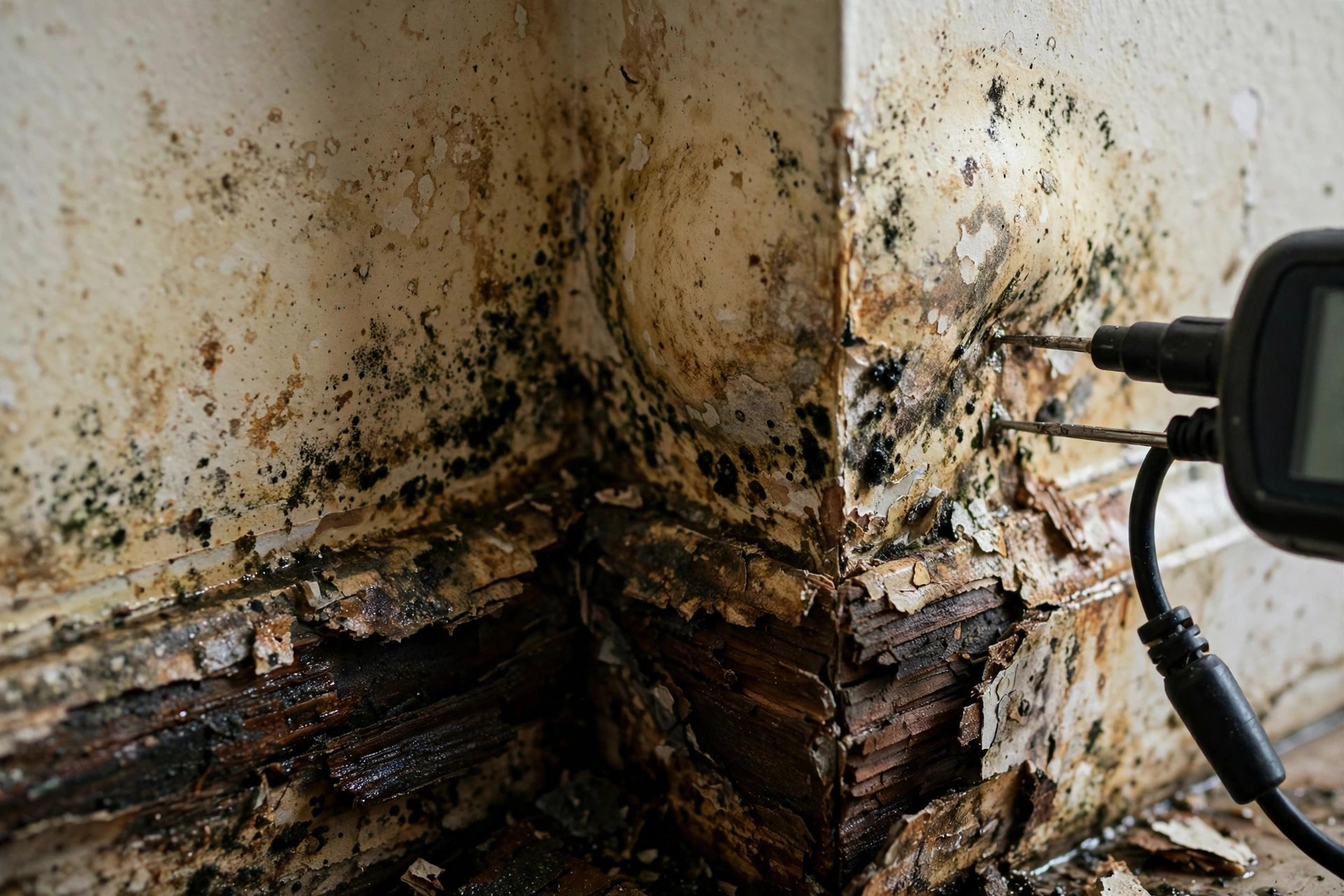
Top signs of water damage needing repair in Miami: sagging ceilings or blistering paint, persistent musty odor, staining or dark patches on walls/floors, mold growth, and elevated indoor humidity that won’t drop. In many Miami homes those early signs turn into major jobs within 48–72 hours in warm, wet conditions if left unaddressed — especially during the hot wet summer months. Acting quickly prevents hidden structural issues in Brickell high-rises, aging Coral Gables villas, and waterfront properties near Vizcaya Museum.
Why Miami-Dade’s climate and housing stock make fast action critical
Miami’s tropical monsoon climate means a long season of high humidity and concentrated heavy rains. When a leak begins in Downtown Miami or a roof starts to seep in Coconut Grove during summer storms, warm indoor temperatures let microbial growth accelerate — we routinely see visible mold colonies form in less than 72 hours on wet drywall. The city’s mix of building types changes how water behaves: Brickell and the Design District have many high-rise concrete and stucco facades where water can migrate inside curtain walls and stack through service chases; Wynwood and Little Havana include older bungalows and masonry homes with plaster or lathe that hold moisture longer. Salt air near Biscayne Bay and properties close to Bayside Marketplace or Marlins Park increases corrosion risk on metal flashings and roof fasteners, which makes small breaches worsen quickly. Even inland neighborhoods like Overtown and parts of Hialeah have homes with older plumbing and slab foundations; slab leaks can push moisture under floors and into framing without obvious surface signs. Understanding these local differences helps prioritize inspection in places where water hides — such as behind baseboards in Coral Gables or in parking garages of Brickell condos.
Visual and tactile signs that mean you need a repair, now
Look for these concrete indicators inside and outside the property: - Sagging ceiling panels or bulging drywall near bathrooms, kitchens, or roof lines. That’s active water accumulation and often requires cutting out wet material and drying or replacing framing. - Blistering, peeling, or bubbling paint on exterior stucco after a heavy storm; in Brickell and the Design District, failed flashings or balcony drains are common culprits. - Dark water stains that grow after a rain event, especially near windows and around the Freedom Tower or older buildings where window sill seals fail. - Musty odors that won't go away even after fans run a day; that smell usually means microbial growth inside wall cavities. - Soft or spongy floors, especially in older Coconut Grove and Little Havana homes with hardwood over slab; you may also feel a temperature difference where insulation is waterlogged. Each of these signs indicates different scopes of work — from targeted drywall repair to structural drying and content pack-out — and the proper response depends on whether the water is clean, grey, or contaminated. If you need immediate help for active flooding, see our emergency water damage response options at /services/emergency-water-damage-restoration and for post-flood mold issues check /services/emergency-mold-
Mold remediation: when surface cleaning isn’t enough in Miami
Mold in Miami behaves differently because of the heat and humidity. A small patch in an attic near Vizcaya Museum or behind a unit in a Brickell condo can be only the visible edge of colonization inside insulation, ceiling cavities, or HVAC systems. If you see visible mold, black speckling, or green fuzz, or if occupants report allergy flare-ups or persistent musty smells, surface cleaning alone can miss hidden colonies. Proper remediation involves isolating the affected area, controlling airflow so spores don’t spread, and drying the structure to relative humidity below 50% where feasible. In older Coral Gables homes we often remove wet baseboards and inspect framing; in high-rises we inspect mechanical closets and ductwork. For guidance on mold after water events, our page on miami-dade county mold remediation explains what to expect and how we track moisture to completion.
Practical next steps, timing, and what repairs often cost in Miami
If you recognize any of the above signs: 1) stop the source if you can (turn off a leaking appliance or valve); 2) limit movement in the affected rooms to avoid tracking contamination; 3) call for a professional assessment. For emergency situations — storm surge or sudden flooding — seek immediate extraction services such as our 24 7 emergency water extraction line. Typical scopes we see across Miami vary: - Minor leak repairs and targeted drying: $400–$1,500, often when drywall or trim is replaced and dehumidifiers run for a few days. - Moderate repairs with mold remediation and some content restoration: $1,500–$8,000, common in older bungalows in Little Havana and Coconut Grove. - Major flood or structural repairs after storm surge or long-term leaks: costs can exceed $10,000, especially for waterfront properties or multi-unit condos needing pack-out and rebuild. These ranges reflect observed scopes across Miami Beach, Coral Gables, and neighborhoods near Marlins Park, but a site visit is required for an accurate estimate. Business hours for scheduling assessments are Mon–Fri 8am–6pm, Sat 9am–2pm; for immediate extraction use our emergency link above.
How to prioritize inspections by neighborhood and property type
Prioritize inspection in these Miami contexts: - High-rise condos in Brickell and Downtown Miami: check balconies, window seals, and mechanical rooms where rain can track behind cladding. Water intrusion in upper levels often affects multiple units via shared chase ways. - Older single-family homes in Coconut Grove, Coral Gables, and Little Havana: inspect under eaves, attics, and around original plumbing lines; plaster and lathe can hide moisture longer than modern drywall. - Art and commercial spaces in Wynwood and the Design District: flat roofs and skylights are common failure points; art-storage areas should be checked for even small humidity increases. - Waterfront and low-lying zones near Bayside Marketplace and Biscayne Bay: after tidal flooding or storm surge, expect salt contamination requiring specialized cleanup and corrosion control. If you want more neighborhood-specific tips, see our related piece on top 5 signs of water damage in miami homes.
Final practical advice and when to escalate to professionals
Small stains or a one-time spill may be manageable, but when you notice recurrent stains, spreading discoloration, lingering musty odors, or any visible mold, escalate to a professional inspection. Rapid response in Miami’s hot wet summers saves salvable materials and reduces long-term structural and indoor air-quality problems. Use dehumidification and air movement as immediate measures, but avoid sanding or aggressive cleaning that can aerosolize spores. For extraction after heavy storms and hurricane-driven flooding, consult our post-hurricane resources at /services/post-hurricane-flood-damage-repair to understand how coastal conditions change remediation priorities. Regular checks after seasonal rains, and attention to roof flashings, balcony drains, and lower-level plumbing in Miami-Dade County, will catch problems before they require full-scale restoration.