2026-10-04 ·
water damage restoration costs in miami 2026
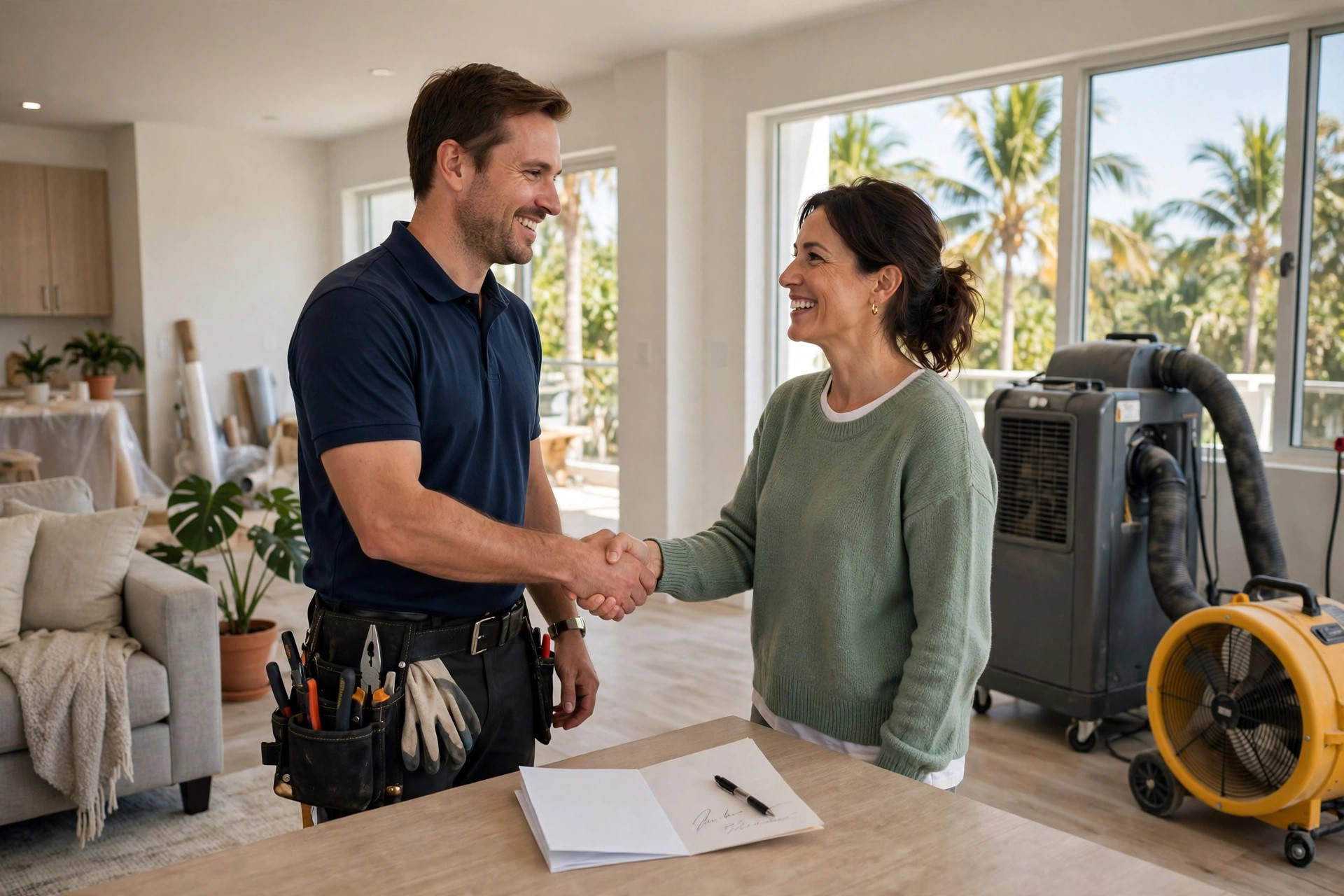
Water damage restoration costs in Miami 2026 typically run from about $400–$1,500 for small, localized water extraction and drying jobs up to $5,000–$15,000+ when structural repairs, full-content pack-outs, or hurricane surge damage are involved; add $1,500–$7,000+ when pervasive mold remediation is required after prolonged moisture. Those ranges answer the immediate question of "how much" but the final invoice depends on water source, building type (single-family vs condo high-rise), and timing — same-day extraction is far less expensive than delayed mold and structural repairs.
What drives price differences across Miami neighborhoods
Neighborhoods like Downtown Miami, Brickell, and the Design District often involve high-rise condos with slab-on-grade or post-tension concrete floors and restricted tower access. In those places, expect higher labor and logistics costs for elevator reservations, long hose runs, and pack-out storage. In Coconut Grove, Coral Gables, and Little Havana, many homes are older wood-frame or masonry houses with crawlspaces; drying and structural repairs there often require subfloor access and localized structural drying. Wynwood and Overtown properties include converted warehouses and older multifamily buildings where porous surfaces and historic finishes increase remediation scope. Proximity to waterfront landmarks like Bayside Marketplace, Vizcaya Museum, and Pérez Art Museum tells you two things: 1) groundwater tables and storm surge risk are higher near Biscayne Bay, and 2) flood cleanup after coastal surges or king tides often requires full-content pack-out and salt-contaminant removal. In Miami-Dade County, the tropical monsoon climate with hot wet summers accelerates microbial growth, so delayed mitigation almost always raises costs due to required mold testing and remediation.
Common cost components and typical local ranges
When we break down a bill in Miami, the recurring line items are: emergency water extraction, structural drying, content handling or pack-out, mold assessment/remediation, and repairs/finish work. Local price guidance I use on jobs here: - Emergency extraction / water removal: $400–$1,500 for a single-family room or small condo unit. - Structural drying with dehumidifiers and air movers: $200–$800 per day depending on equipment count; most jobs run multiple days. - Content pack-out and storage: $500–$5,000 depending on volume and whether contents need on-site inventorying and specialized cleaning (electronics, art near Wynwood galleries). - Mold remediation: add $1,500–$7,000+ when mold is widespread; bathrooms and HVAC systems increase costs. - Repairs/rehab (flooring, drywall, paint): $1,000–$10,000+ depending on finish levels and condo association rules in Brickell or Coral Gables. These ranges reflect Miami-specific challenges like high humidity, salt air corrosion in coastal buildings, and access limitations in high-rise buildings.
Why mold remediation often becomes the largest additional expense
Miami’s hot, humid summers create ideal conditions for mold to develop within 48–72 hours of moisture exposure. When water is not fully removed from wall cavities, ceilings near Marlins Park, or under baseboards in older Little Havana homes, what starts as a small stain can turn into concealed growth in insulation, ductwork, and under hardwood. Mold remediation costs rise because we must: locate hidden colonization using moisture meters and infrared scans; isolate contaminated zones with negative pressure; remove affected materials to a safe point of clean substrate; and perform HEPA vacuuming and air clearance testing if required. In condos, mold work is complicated by association rules and shared HVAC systems, increasing labor and coordination time. For readers concerned about mold after a flood, see our page on emergency mold remediation after floods in miami homes for specifics on containment and air-quality steps.
How to get an accurate estimate in Miami and reduce surprises
To get a realistic price you need an on-site assessment that inspects beyond visible water. Key items I look for on the first visit: water source classification (clean supply line vs sewage vs floodwater), extent of migration into walls/floors, HVAC involvement, and content saturation. Homeowners near Biscayne Bay and Miami Beach should expect additional costs for salt contamination cleanup and anti-corrosion treatment. If you live in a Brickell or Downtown high-rise, factor in elevator coordination fees, security escorting, and potential building permitting or insurance desk approval — these logistics often add to labor hours. Practical steps to lower costs: 1) act within 24–48 hours to avoid mold escalation; 2) document damage for insurance and maintain an itemized inventory if a pack-out is needed; 3) request a detailed scope that separates mitigation (short-term drying) from repairs (replacement work). For an outline of our mitigation steps, see our water damage restoration and content pack out and restoration from floods pages.
Practical timeline and business hours for scheduling in 2026 Miami conditions
Typical mitigation work in Miami takes 2–7 days for extraction and drying setup on most residential calls; full remediation and repairs often extend to 2–6 weeks depending on material replacement and permit timelines. After hurricane flooding or storm surge, timelines lengthen because equipment and crews are in high demand across Miami-Dade County and nearby cities like Hialeah and Miami Beach. If you need an emergency visit, note our scheduling window: Mon–Fri 8am–6pm, Sat 9am–2pm — those hours matter because after-hours mobilization for large-scale events may add premium charges. Planning for off-season maintenance (late winter and spring) helps avoid peak-summer storms when both prices and demand spike. For homeowners weighing DIY vs pro work, our post on diy vs pro flood repair miami homeowner advice explains which tasks local crews always recommend leaving to professionals.