
2026-10-21 ·
Sewage Backup Cleanup in Miami, Florida – Get Emergency Cleanup Assistance
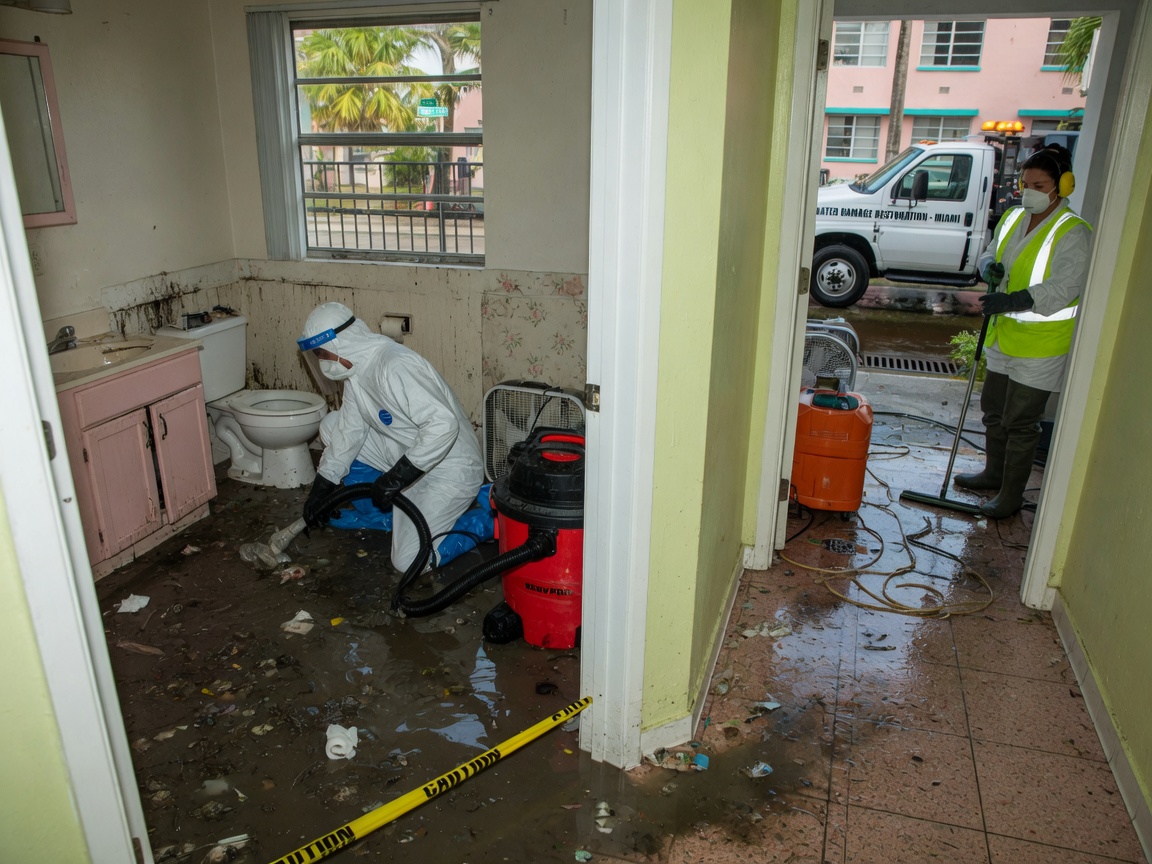
When a sewage backup occurs in Miami, Florida, immediate emergency cleanup assistance is not just recommended, it's essential. The cost for professional sewage backup cleanup and disinfection typically ranges from $3,000 to $10,000, but can exceed $20,000 for severe, widespread contamination in larger properties or multi-story buildings common in areas like Downtown Miami or Brickell. This wide range accounts for factors such as the volume of sewage, the type of contaminated materials (porous versus non-porous), the extent of structural damage, and the necessary disinfection protocols to address harmful bacteria and pathogens. Given Miami-Dade County's tropical monsoon climate with hot, wet summers, any delay significantly increases the risk of rapid mold growth and further structural damage, making quick action paramount to mitigate long-term issues.
Understanding Sewage Backup Risks in Miami
Sewage backups in Miami present unique challenges due to our specific environment. The high humidity and warm temperatures prevalent throughout the year, especially during the hot, wet summers, create an ideal breeding ground for bacteria and mold when sewage is introduced into a property. This means that even a small sewage overflow can quickly escalate into a major health hazard if not addressed promptly and thoroughly. Properties in older neighborhoods like Little Havana or Overtown, with aging plumbing infrastructure, may be more susceptible to blockages and backups. Furthermore, the flat terrain across Miami-Dade County means that heavy rainfall, common in our tropical climate, can sometimes overwhelm municipal sewer systems, leading to backups in homes and businesses. This is particularly true for properties with basements or lower-level units, although basements are less common in Miami's housing stock than in other regions. The contaminants in sewage, categorized as 'black water,' contain viruses, bacteria, and other pathogens that pose severe health risks, necessitating specialized handling and disinfection beyond what typical homeowners can manage safely.
Immediate Steps After a Sewage Backup
Upon discovering a sewage backup, your immediate response can help contain the damage, though professional intervention is crucial. First, avoid all contact with the contaminated water. Do not attempt to clean it yourself, as this exposes you to serious health risks. Turn off your main water supply if the backup is ongoing and you can safely access the shut-off valve. If the sewage is coming from a toilet or sink, avoid flushing or using other plumbing fixtures. Ventilate the affected area by opening windows and doors, but only if it does not spread contaminants to other parts of the property. Next, contact a professional water damage restoration service immediately. Our team is available Mon–Fri 8am–6pm and Sat 9am–2pm to provide swift, expert assistance. We understand the urgency of these situations, especially in high-density areas like Wynwood or Coconut Grove, where quick action can prevent widespread contamination in multi-unit buildings. For more on immediate response, see our article on sewage backup cleanup safe steps for Miami.
The Professional Sewage Cleanup Process
Our professional sewage backup cleanup process in Miami is meticulous and adheres to strict safety and sanitation protocols to ensure the affected area is thoroughly decontaminated and restored. It begins with a comprehensive assessment to determine the extent of the damage and identify the source of the backup. This is crucial for preventing future incidents, especially in properties near waterways or those with older plumbing systems. Following the assessment, our team safely extracts all sewage and contaminated water using specialized equipment. This is a critical step, as lingering moisture can lead to rapid mold growth in Miami's humid climate. All porous materials, such as carpets, drywall, and insulation, that have come into contact with sewage must be removed and properly disposed of, as they cannot be fully disinfected. Non-porous surfaces are then thoroughly cleaned and treated with hospital-grade disinfectants to eliminate all pathogens. This process is particularly important in commercial spaces in the Design District or near landmarks like Bayside Marketplace, where public health is a primary concern. We offer specialized services for sewage backup cleanup and disinfection for condos, addressing the unique challenges of multi-family dwellings.
Why Professional Disinfection is Non-Negotiable
Attempting to clean up sewage yourself can expose you to a host of dangerous microorganisms, including E. coli, Salmonella, Hepatitis A, and various viruses, leading to severe illness. Household cleaners are simply not powerful enough to effectively neutralize these biohazards. Professional restoration companies, like ours, use industrial-strength disinfectants and antimicrobials specifically designed to eliminate a broad spectrum of pathogens found in sewage. We also employ specialized equipment, such as air scrubbers and hydroxyl generators, to purify the air and remove airborne contaminants and odors, which is vital in Miami's often stagnant air conditions. This comprehensive approach ensures that your property is not only visually clean but also hygienically safe for occupancy. Without proper disinfection, lingering bacteria and mold spores can continue to pose health risks and cause persistent, foul odors, impacting air quality for months. This is particularly important for residents of Coral Gables and Miami Beach, where many homes are older and may have hidden pockets where contaminants can thrive.
Preventing Future Sewage Backups in Miami-Dade County
While some sewage backups are unavoidable, particularly those caused by municipal system failures during heavy rain events common in Miami-Dade County, many can be prevented with proper maintenance. Regularly inspect and maintain your plumbing system, especially in older homes in areas like Coconut Grove or Little Havana. Be mindful of what goes down your drains; grease, food scraps, and non-flushable items are common culprits for blockages. Consider having your sewer lines professionally inspected every few years, particularly if you live in an older property or have mature trees whose roots could invade pipes. Installing a backwater valve can also provide a crucial line of defense, preventing sewage from flowing back into your home from the main sewer line during heavy surcharges. For commercial properties or multi-unit residential buildings in Brickell or the Design District, implementing a proactive plumbing maintenance schedule is a wise investment to avoid costly disruptions and health hazards. Should you experience any water damage, including sewage, our comprehensive water damage restoration services are ready to assist.