
2026-10-21 ·
Mold Removal After Water Damage in Miami, FL – Restore a Healthy Home
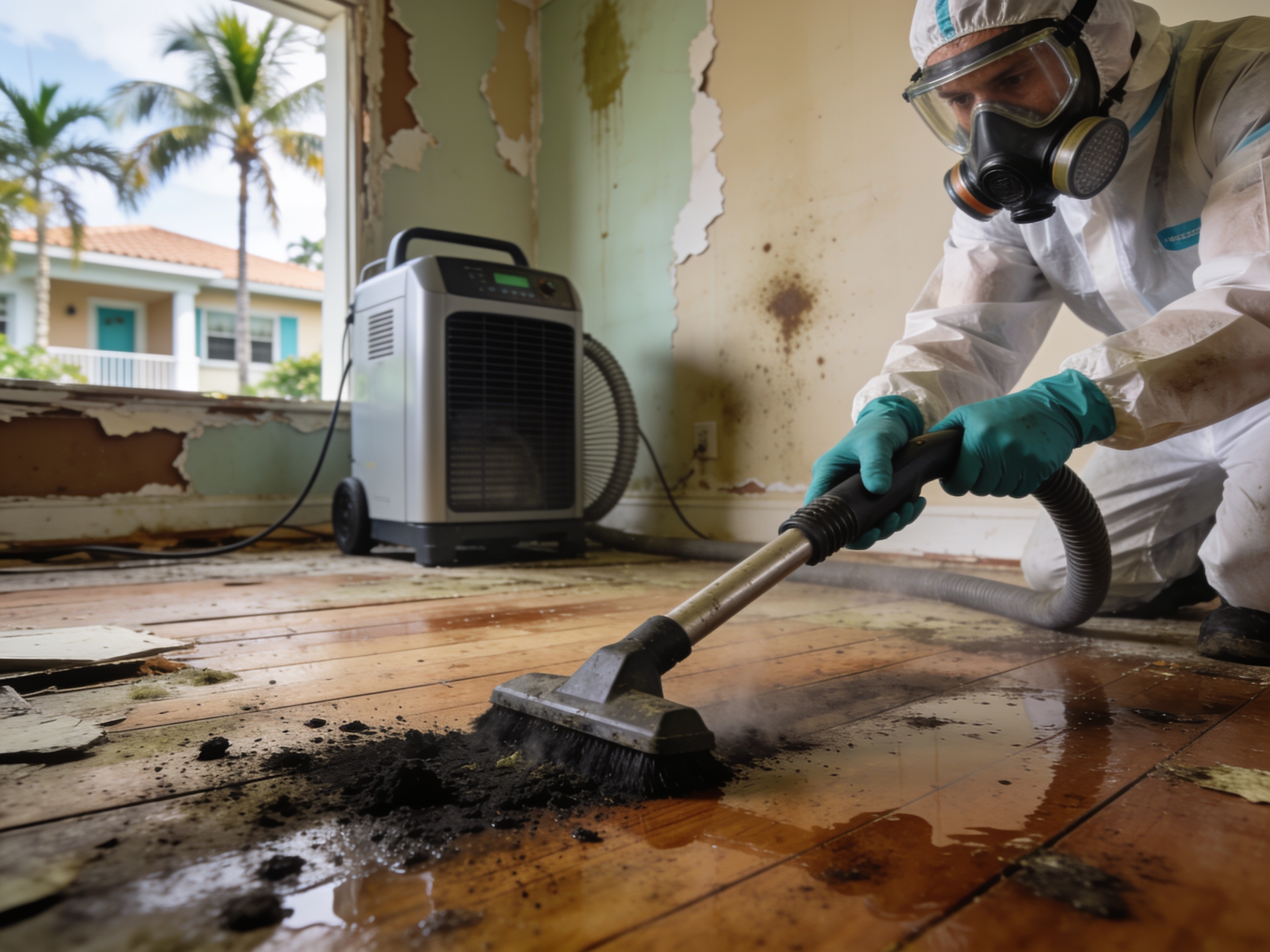
Mold removal after water damage in Miami, FL, is not merely a cleanup task; it's a critical health and structural necessity, especially given our region's hot, wet summers and frequent rainfall. When water damage occurs, particularly in areas like Downtown Miami, Brickell, or the historic homes of Coconut Grove, mold can begin to grow within 24–48 hours. Professional mold remediation involves a multi-step process: initial assessment, containment, air filtration, removal of contaminated materials, cleaning and disinfection, and final drying. The cost for mold remediation in Miami-Dade County can range from $500 for small, isolated areas to $6,000 or more for extensive contamination affecting multiple rooms or structural elements, with the average homeowner often seeing costs between $1,500 and $3,500. This variation depends heavily on the mold's extent, the type of materials affected, and the need for structural repairs. Acting quickly to address water damage is the single most effective way to prevent widespread mold growth and mitigate these costs.
Understanding Mold Growth in Miami's Climate
Miami's tropical monsoon climate, characterized by hot, wet summers, creates an ideal environment for mold to thrive following any water intrusion. Whether it's a burst pipe in a high-rise in Brickell, a leaky roof in a charming bungalow in Coral Gables, or hurricane-related flooding in Little Havana, the high humidity levels exacerbate the problem. Mold spores are ubiquitous, always present in the air, but they only become an issue when they find moisture and a food source. Common building materials like drywall, wood, and insulation provide ample food. The rapid onset of mold, often within 1–2 days of water exposure, means that immediate and thorough drying is paramount. Without proper intervention, what starts as a small water stain can quickly escalate into a pervasive mold problem, affecting air quality and potentially compromising the structural integrity of your home, whether it's an older property in Overtown or a newer construction in Wynwood.
The Dangers of Untreated Mold
Leaving mold untreated, especially in a humid environment like Miami, poses significant health risks and can lead to extensive property damage. Mold spores, when inhaled, can trigger allergic reactions, respiratory issues, and other health problems, particularly for individuals with asthma or compromised immune systems. Beyond health concerns, mold actively degrades building materials, weakening wood, drywall, and other porous surfaces. Over time, this can lead to costly structural repairs that far exceed the initial mold remediation expense. We've seen this firsthand in properties near landmarks like the Vizcaya Museum, where older construction materials are particularly susceptible. Addressing mold promptly not only protects your family's health but also preserves your property's value and structural soundness. For severe water events, immediate professional help is essential, as detailed in our guide to Emergency Water Removal in Miami, Florida – Get Professional Help Today.
The Professional Mold Remediation Process
Effective mold removal requires a systematic approach, especially in Miami-Dade County where humidity is a constant factor. Our process begins with a comprehensive inspection and assessment to identify the source of water damage and the extent of mold growth. This allows us to develop a targeted remediation plan. Next, containment is crucial. We use physical barriers and negative air pressure to prevent spores from spreading to unaffected areas of your home, a vital step in high-density areas like Downtown Miami or near Bayside Marketplace. Air filtration systems, equipped with HEPA filters, are then employed to capture airborne mold spores. Following this, removal of contaminated materials is performed, which often includes porous items like drywall, carpeting, and insulation that cannot be salvaged. Non-porous surfaces are then thoroughly cleaned and disinfected using specialized antimicrobial agents. Finally, the area undergoes meticulous drying and dehumidification to eliminate any residual moisture, preventing future mold growth. This entire process is designed to restore your home to a healthy, mold-quick state.
Key Steps for Homeowners After Water Damage
As a homeowner in Miami, acting swiftly after water damage is critical to minimize mold growth. Here are the immediate steps you should take:
- Stop the Water Source: First and foremost, identify and stop the source of water intrusion, whether it's a burst pipe, a leaking appliance, or a roof leak from a tropical downpour.
- Safety First: Disconnect power to affected areas to prevent electrical hazards. Avoid entering areas with standing water if you suspect electrical issues.
- Remove Standing Water: Use buckets, mops, or wet vacuums to remove as much standing water as possible. The faster water is removed, the less chance mold has to establish itself.