
2026-10-21 ·
Emergency Water Removal in Miami, Florida – Get Professional Help Today
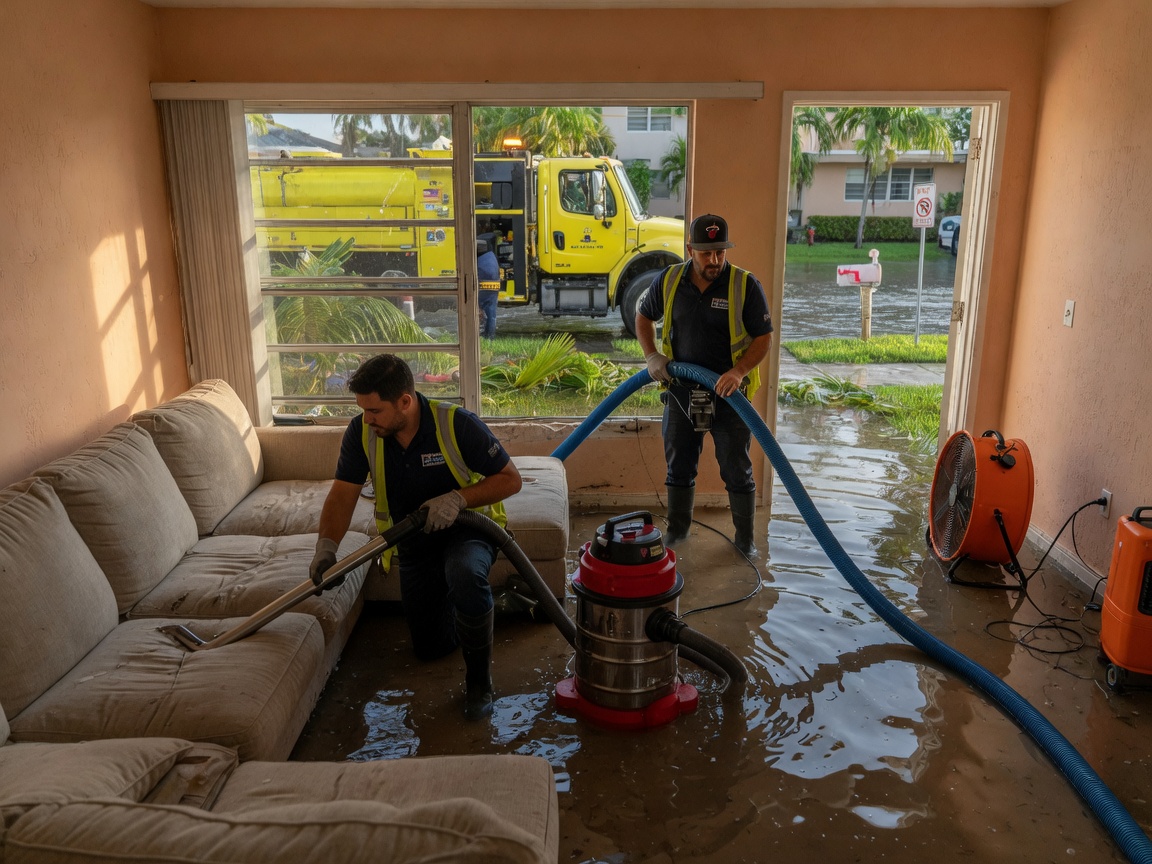
Emergency water removal in Miami, Florida, is a critical first step after any water intrusion, and professional help is strongly recommended to mitigate damage effectively. In a city like Miami, with its tropical monsoon climate and hot, wet summers, water damage can escalate rapidly, leading to significant structural issues and mold growth within 24–48 hours. Whether your home is in the historic neighborhoods of Coconut Grove, the bustling high-rises of Brickell, or the charming streets of Little Havana, prompt and thorough water extraction by experienced professionals can drastically reduce repair costs and protect your property's long-term integrity. This immediate intervention ensures that standing water is removed, and the drying process begins, addressing the unique challenges presented by Miami-Dade County's humidity and older housing stock.
Understanding the Urgency of Water Removal in Miami
Miami's climate plays a significant role in how quickly water damage can become severe. The high humidity levels, especially during the hot, wet summers, create an ideal environment for mold and mildew to thrive if water isn't removed promptly. Properties in areas like Wynwood or Coral Gables, which often feature older construction, can be particularly vulnerable to water intrusion through roofs, windows, or plumbing systems. When water sits, it not only saturates building materials like drywall, wood, and insulation but also compromises the structural integrity of your home. The longer water remains, the deeper it penetrates, increasing the scope and cost of repairs. This is why immediate professional intervention for emergency water damage restoration is not just a convenience, but a necessity to prevent long-term issues and protect your investment in Miami-Dade County.
Common Causes of Emergency Water Damage in Miami-Dade County
Miami-Dade County homes face a variety of water damage threats, some unique to our coastal environment. Beyond the obvious concerns of hurricanes and tropical storms, which can cause widespread flooding in areas from Downtown Miami to Overtown, everyday issues are also prevalent. Burst pipes, often exacerbated by aging plumbing in historic properties near Vizcaya Museum or the Freedom Tower, are a frequent culprit. Appliance malfunctions, such as overflowing washing machines or leaky water heaters, can quickly release dozens of gallons of water into a home. Roof leaks, especially after heavy summer downpours, are common and can go unnoticed until significant damage has occurred. Even a slow, persistent leak under a sink in a Brickell condo can lead to extensive damage and mold if not addressed quickly. Understanding these common sources helps homeowners act swiftly when disaster strikes.
The Water Removal Process: What to Expect
When you call for emergency water removal, the process begins immediately to minimize damage. The first step involves a thorough assessment to identify the source of the water, categorize the contamination level, and determine the extent of the damage. This initial inspection is crucial for developing an effective action plan. Next, powerful pumps and industrial-grade wet vacuums are deployed to extract standing water rapidly. This is particularly important in multi-story buildings in areas like the Design District, where water can cascade through floors. Once the bulk of the water is removed, specialized drying equipment, including air movers and dehumidifiers, is strategically placed to dry out all affected areas, including hidden pockets of moisture within walls and under flooring. This meticulous drying process is vital to prevent secondary damage and inhibit mold growth, a persistent concern in Miami's humid climate. For more detailed information, you can read about the full water damage restoration process.
Why Professional Help is Indispensable for Miami Water Removal
Attempting extensive water removal yourself, especially after significant flooding, can often lead to incomplete drying and overlooked moisture, which inevitably results in mold growth. Professionals bring specialized equipment that homeowners typically don't have, such as moisture meters, thermal imaging cameras, and high-capacity dehumidifiers, essential for detecting hidden moisture and ensuring thorough drying. Our team is experienced in navigating the unique construction types found across Miami, from the concrete structures of Brickell to the diverse homes in Coral Gables. We understand the local climate and how it impacts drying times and mold potential. Furthermore, we handle the proper disposal of contaminated materials and can help document the damage for insurance claims, providing peace of mind during a stressful time. Our business hours are Monday–Friday 8am–6pm and Saturday 9am–2pm, ensuring we're available when you need us most.
Preventing Future Water Damage in Your Miami Home
While some water damage events are unavoidable, many can be prevented with proactive measures. Regularly inspect your plumbing for leaks, especially in older homes in areas like Little Havana or near Bayside Marketplace. Check the condition of your roof and gutters, ensuring they are clear and functioning correctly to handle Miami's heavy rainfall. Consider installing a water leak detection system, which can alert you to issues early on. For homes in flood-prone areas, like those near the coast or low-lying parts of Overtown, elevating appliances and important documents can reduce potential losses. Proper landscaping and grading around your home can also direct rainwater away from your foundation. Taking these preventative steps can significantly reduce your risk of needing emergency water removal in the future, helping you protect your property in Miami-Dade County.