2026-10-04 ·
choosing water restoration services in miami
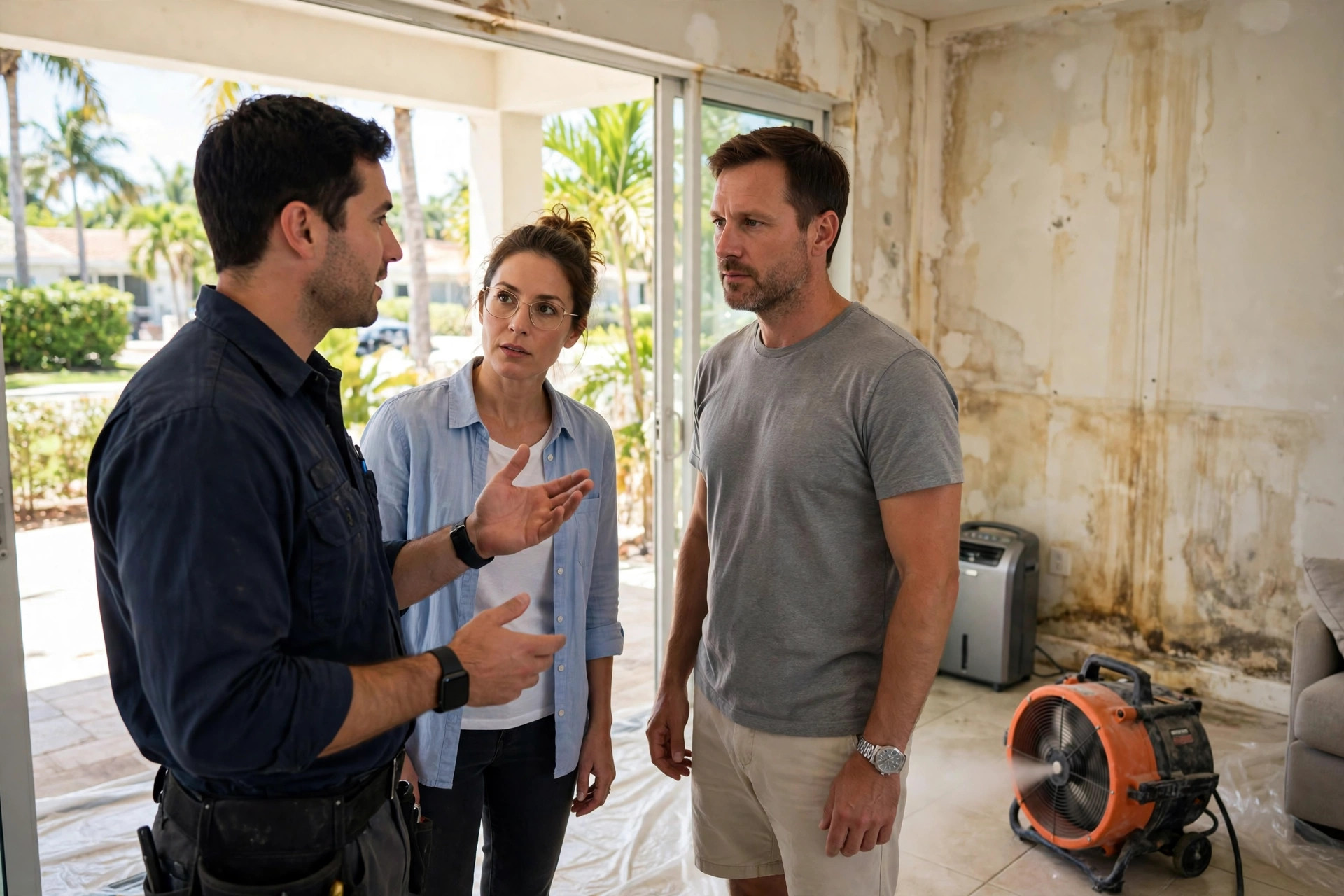
choosing water restoration services in miami
If you need an immediate answer: expect a professional crew to arrive within 2–8 hours for emergency extraction in Miami, and plan on a full restoration timeline of 3 days to 6 weeks depending on whether damage is limited to carpets or has affected framing and finishes; basic cleanups often start around $400–$1,500, while complex flood events after storms commonly run $3,000–$15,000 or more. Those ranges are broad because Miami's tropical monsoon climate, coastal salt exposure, and mixed housing stock make every job different. Below I explain how to evaluate companies, what questions to ask, and how local realities in Downtown Miami, Brickell, Wynwood, Little Havana, Coconut Grove, Coral Gables and other neighborhoods affect the work.
Why Miami's climate and building stock change the job
Miami-Dade County's hot, wet summers and frequent heavy storms mean water sits and promotes mold growth faster than in temperate climates. In neighborhoods like Brickell and Downtown Miami you'll most often work in high-rise concrete-and-steel condos where water can travel between units through shared chases and slab penetrations; mitigation in those buildings focuses on containment, quick extraction, and coordinating with property management. In Coconut Grove and Coral Gables, many homes are older wood-frame or masonry with plaster finishes; standing water can wick into framing and require focused structural drying and selective demolition. Wynwood and the Design District include converted warehouses and retail spaces where porous finishes, exposed wood, and high ceilings change drying strategies. Near Bayside Marketplace and Pérez Art Museum, rising tides and storm surge risk make coastal properties more likely to need saltwater cleanup, which requires different rinsing and corrosion prevention. Even within Miami Beach and Hialeah, soil conditions and low elevation increase basement or slab seepage risks. All of that means you should prioritize restoration teams that can explain a site-specific plan rather than give a one-size-fits-all quote.
What to ask on first contact (quick checklist)
When you call, use this checklist so you can compare bids fairly. A good response will be specific to Miami conditions and your building type.
- What is your estimated arrival time and initial scope within the first visit? (You should hear hours, not days.)
- Will you perform moisture mapping and provide a written drying plan with target moisture readings? Ask for equipment types they will use (extractors, axial fans, dehumidifiers).
- How will you control contamination in multi-unit buildings like those in Brickell or Downtown Miami? Expect mention of containment and communication with building management.
- Do you handle saltwater intrusion cleanup differently than freshwater? Salt needs rinsing and corrosion control.
- Can you provide references for similar jobs in Miami neighborhoods such as Coral Gables or Coconut Grove?
- What steps do you take to prevent mold in Miami's hot, humid months, and do you offer follow-up moisture checks?
Save every written estimate and scope; in Miami it's common to require coordination with HOA/property managers, and that affects timing and access.
How mold remediation fits into water restoration decisions
In Miami, mold remediation is not an optional afterthought—the climate accelerates spores once humidity stays elevated. If water sits longer than 24–48 hours in hot, humid conditions, expect remediation measures. A restoration firm should be able to distinguish visible mold containment from deeper remediation needs: surface cleaning and drying for small areas, and controlled removal, HEPA air scrubbing, and content pack-out for larger infestations. In condos in Brickell, Wynwood lofts, or older homes in Little Havana, mold can hide behind baseboards, under ceramic tile, and inside wall cavities; technicians should use moisture meters and thermal imaging to find hidden pockets. If you want specialist services for mold after a flood, consider firms that list specific offerings for Miami-Dade County like Miami-Dade County mold remediation and services tailored to condos such as mold remediation after water damage in condos. If the event was storm-related, also review post-hurricane protocols in our related article: Post hurricane flood repair tips for Miami homes.
Evaluating bids and avoiding common pitfalls
When comparing bids, look past the bottom line. A low number that omits containment, drying equipment-days, or demo/rebuild scope will cost more later. Make sure each bid lists:
- Specific actions: extraction quantities, number of dehumidifiers and fans, and expected days of equipment on site.
- Measurable goals: target moisture content for wood or drywall and when those targets will be verified.
- A clear content plan: whether they will pack out furniture, what items they recommend discarding, and where salvageable contents will be stored.
Be wary of companies that promise unrealistic drying times for prolonged floods—Miami's humidity and salt exposure often mean drying takes longer than in drier climates. For multi-unit jobs in Brickell or Downtown Miami, check that the company will coordinate with building management and follow building protocols. If sewage or blackwater is present, ensure the proposal includes disinfection and safe disposal steps; this is particularly important in older plumbing systems common in parts of Little Havana and Overtown.
Practical closing advice and next steps
Before signing, get a written scope and an equipment list with expected days on site, and confirm the crew will provide daily progress notes with moisture readings. If your property is in Coral Gables or Coconut Grove, request plans that consider older framing and historic finishes; for condos in Brickell and Downtown, ensure the company will work within HOA rules and provide liability-safe access procedures. Keep communications documented and prioritize firms that can respond within hours for extraction and produce a measurable drying plan. Our site lists targeted services you may need next, like Miami water damage restoration and emergency mold work emergency mold remediation after floods in miami homes. Business hours to note for scheduling are Mon–Fri 8am–6pm and Sat 9am–2pm; for after-hours or storm surge events, look specifically for providers offering 24/7 emergency extraction options. Choosing the right local team means matching methods to Miami's climate and your building type so the job is done thoroughly and documented for any insurance or HOA requirements.