2026-10-04 ·
post hurricane flood repair tips for miami homes
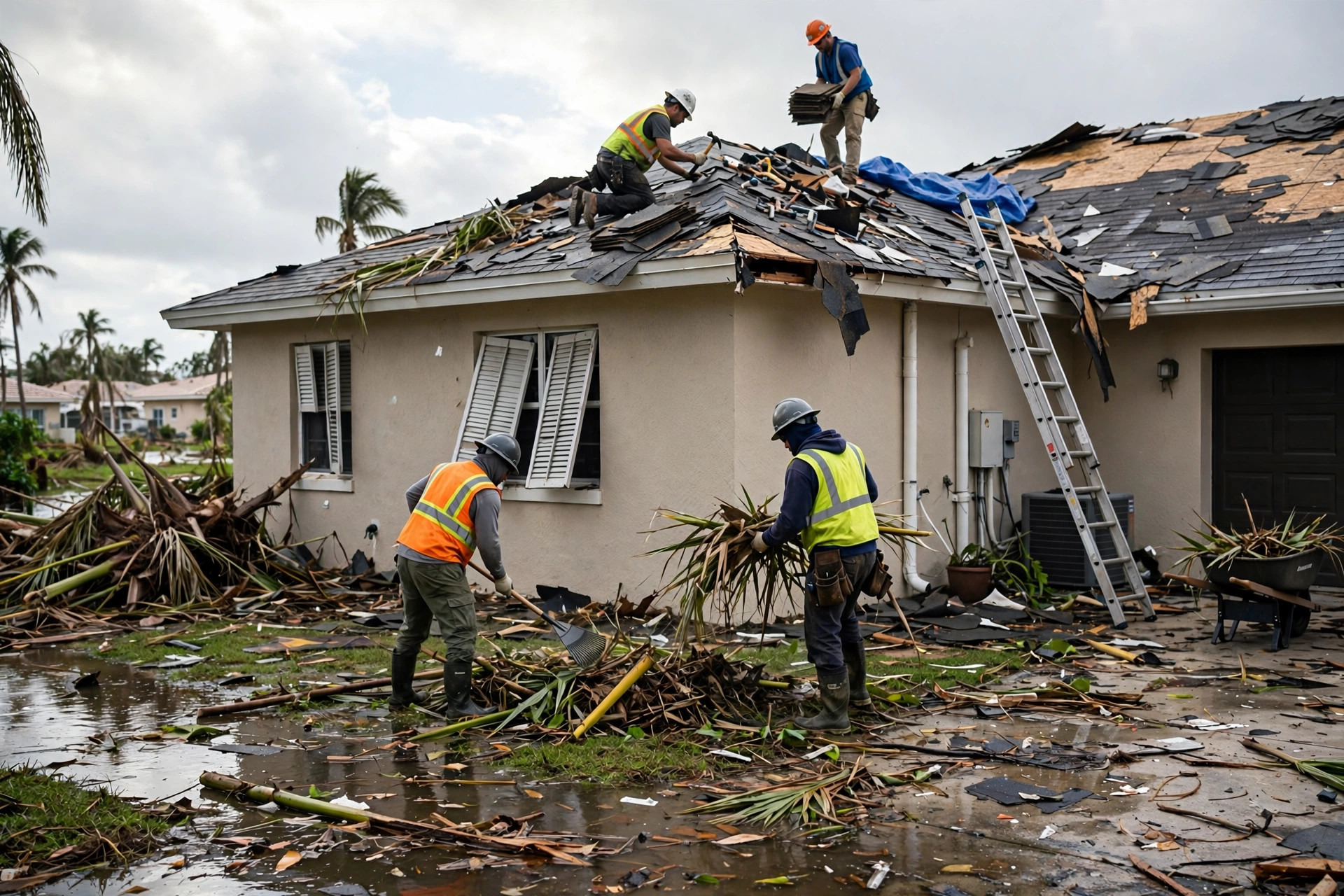
# post hurricane flood repair tips for miami homes
If you can start extraction within 24–48 hours and begin structural drying within 72 hours, you dramatically reduce the chance of deep-set mold and major structural loss; expect drying and initial repairs to take 3–10 days for a single-family home with limited damage, while full rebuilds can stretch longer depending on the flood source and construction. Miami-Dade's tropical monsoon climate and hot, wet summers mean standing water and high indoor humidity accelerate mold growth and material deterioration, so immediate action that prioritizes water removal and moisture control is the most effective first step for homes from Downtown Miami and Brickell condos to older bungalows in Little Havana and Coconut Grove.
Immediate steps: first 0–72 hours
Within the first 72 hours you must focus on safety, water removal, and documenting damage. Shut off electricity at the breaker if water reached outlets (do not touch wet circuits), and photograph every flooded room and item — insurers and contractors in Miami-Dade expect clear records. Remove standing water using pumps and shop vacs where safe; saltwater from Biscayne Bay or storm surge requires more aggressive decontamination than rainwater because of corrosion and biological contaminants. Move salvageable contents to higher ground or an upper floor; for Brickell and Downtown Miami high-rises, coordinate with property management for elevator access and building rules. Start ventilation with generators or portable power if safe; open windows and doors only when humidity outdoors is lower than indoors, which in Miami often is at night. If sewage mixed with floodwater, isolate the area and delay salvage until professionals handle the biohazard. For immediate extraction services tailored to hurricane events, see our post-hurricane repair page (/services/post-hurricane-flood-damage-repair) or our 24/7 hurricane extraction offering (/services/24-7-water-extraction-from-hurricane-flooding).
Structural drying and material decisions
Miami homes vary: Coral Gables and Coconut Grove often have older plaster, hollow block, and clay tiles; many newer Brickell and Edgewater buildings are slab-on-grade or high-rise concrete with luxury finishes. Drying strategy differs by material. Remove baseboards and drill weep holes behind saturated drywall; porous drywall and insulation often require removal when contaminated by storm surge or when wet for more than 48–72 hours. Hardwood floors in Coconut Grove and Coral Gables can cup or buckle if not dried with controlled, low-humidity airflow; engineered floors tolerate drying better than solid woods glued over slabs. Concrete and masonry absorb saltwater — flush with fresh water then dry because salts can continue to cause spalling. Use industrial dehumidifiers and axial fans for structural drying; expect dehumidifiers to run continuously for 3–7 days in many Miami homes, longer if humidity remains high. Document moisture readings with a meter so you can see when materials reach safe equilibrium; this guides whether to repair or replace.
Mold risk, remediation timing, and indoor air quality
In Miami's hot, humid conditions mold colonies can appear in 48–72 hours after flooding, especially in hidden cavities, ceiling plenums, and behind cabinetry. Start containment and air filtration early: set up negative pressure on contaminated rooms and run HEPA filtration to limit spore spread to adjacent units — critical in multi-family buildings in Wynwood, Overtown, and high-rise Brickell towers. If you see visible mold, a musty odor, or allergy symptoms, move to professional assessment quickly. For flood-triggered mold problems we recommend linking remediation to your dry-out plan so you remove wet materials and treat structural cavities in sequence; see emergency mold remediation after floods in Miami homes (/services/emergency-mold-remediation-after-floods-in-miami-homes) and read our guide on preventing mold after water damage in Miami (/blog/prevent-mold-after-water-damage-in-miami) for deeper prevention steps. After remediation, verify indoor air quality with clearance testing or visual/meter confirmation so occupants, especially in condos near Bayside Marketplace or Marlins Park, can return safely.
Local realities that change the job and budgeting tips
Location changes complexity and cost. Saltwater storm surge along Biscayne and near Miami Beach or parts of Miami Beach-adjacent neighborhoods brings corrosion and electrical replacement needs. In older neighborhoods like Little Havana and some Coral Gables blocks, concealed plumbing and original knob-and-tube-style wiring can complicate restoration and require selective demolition. High-rises in Downtown Miami and Brickell involve building permitting, elevator coordination, and often management-approved contractors, which adds time. Expect budget variance: for limited, non-structural water extraction and drying plan for $1,500–$6,000, while structural repairs and content restoration after surge or sewage can escalate beyond that. Keep receipts, document work, and get moisture logs to support insurance claims. Consider preventive upgrades afterward: improved guttering, sandbagging low entrances, or targeted waterproofing for slab edges. For residential condo-focused eco options look at eco-friendly condo repair services (/services/eco-friendly-flood-repair-in-miami-condos).
Working with contractors, building management, and next steps
When hiring help in Miami-Dade, confirm scope in writing: extraction, structural drying, demolition, mold remediation, and final repairs. For condos in Brickell, Downtown Miami, or Coral Gables, coordinate with building management early; many high-rises require approved vendor lists and set hours for noisy work. Ask for moisture-read logs and a clear timeline for demolition versus salvage — good teams provide step-by-step plans for content pack-out and restoration (/services/content-pack-out-and-restoration-from-floods). Keep a prioritized list of belongings you want saved and photograph everything before handing items to a pack-out crew. After drying and remediation, inspect for hidden issues such as salt stains on concrete, slow-clogging drains due to storm debris, or HVAC contamination from seawater. Finish by scheduling HVAC cleaning and odor removal if needed (/services/odor-removal-after-flood-events). Our office hours are Mon–Fri 8am–6pm, Sat 9am–2pm if you need to coordinate questionnaires or on-site walkthroughs.
Closing: practical mindset for Miami homeowners
Post-hurricane recovery in Miami is a race against humidity and mold. Move fast for extraction and drying, focus on materials that trap moisture, and expect location-specific complications whether you live near Vizcaya Museum, the Design District, or on the low-lying streets of Overtown. Prioritize safety, document everything, and coordinate with building management or neighbors in multi-unit buildings. If you need a next step, review services for post-hurricane flood damage repair (/services/post-hurricane-flood-damage-repair) and emergency mold help (/services/emergency-mold-remediation-after-floods-in-miami-homes) so you can line up the right specialists and get your home back to a healthy, dry condition.