
2026-10-21 ·
Wet Drywall Repair in Miami, Florida – Prevent Costly Water Damage
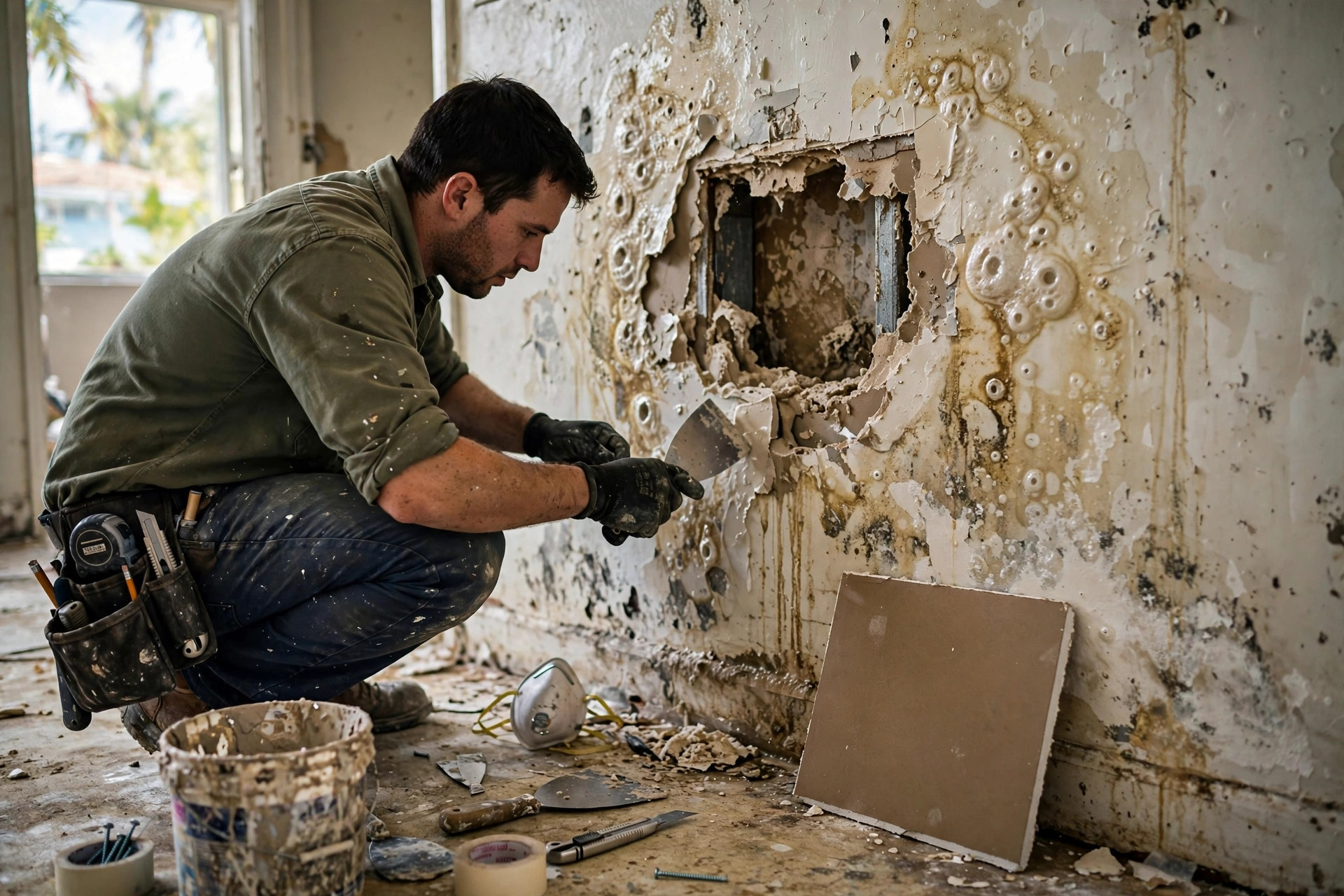
Wet drywall repair in Miami, Florida, can range from $400 to over $3,000, depending on the extent of the damage, the type of water involved, and whether mold remediation is necessary. Minor issues, such as a small leak affecting a single sheet, might fall on the lower end, while extensive water damage from a burst pipe or a tropical monsoon downpour across multiple walls and ceilings, especially in older homes in areas like Little Havana or Coconut Grove, will push costs higher. Given Miami-Dade County's humid, tropical monsoon climate with hot, wet summers, any water intrusion into drywall creates a high-risk environment for rapid mold development, making quick and thorough drying and repair essential to prevent further complications.
Understanding the Causes of Wet Drywall in Miami
Miami's unique climate and older infrastructure contribute to several common causes of wet drywall. The intense humidity and frequent heavy rains during the summer months mean that any breach in a roof or wall can quickly lead to saturated drywall. For instance, a small crack in the stucco common on homes in Coral Gables or a compromised seal around a window in a high-rise in Brickell can allow water to seep in during a typical afternoon thunderstorm. Additionally, internal plumbing issues are frequent culprits. A leaking pipe behind a wall, an overflowing toilet, or a faulty water heater can go unnoticed until the drywall shows visible signs of saturation. In older properties, especially those near the coast in areas like Downtown Miami, aging pipes are more susceptible to leaks, which can affect multiple layers of drywall before the problem is identified. Even a minor leak, if left unaddressed, can create a significant problem given our region's propensity for mold.
Identifying Signs of Water-Damaged Drywall
Recognizing the early signs of wet drywall is crucial for timely intervention. Often, the first indicators are visual or olfactory. You might notice discoloration, such as brown or yellow stains, on walls or ceilings, particularly around plumbing fixtures or windows. Peeling paint or wallpaper is another common sign, as the moisture causes the adhesive to fail. Drywall that feels soft, spongy, or crumbly to the touch indicates significant water absorption and structural compromise. In many Miami homes, especially those built decades ago, the drywall might not be as resilient to moisture as modern, specialized panels. Beyond the visible, a persistent musty odor is a strong indicator of hidden moisture and potential mold growth, particularly in enclosed spaces like behind walls or under flooring. This is especially true in our warm, humid environment, where mold can proliferate rapidly. If you detect such an odor, even without visible signs, it warrants investigation to prevent further damage and potential health concerns. For comprehensive solutions, explore our miami dade county mold remediation services.
The Repair Process for Wet Drywall
The process of repairing wet drywall involves several critical steps to ensure the problem is fully resolved and future issues are prevented. First, the source of the water must be identified and repaired. This is non-negotiable; otherwise, any repair work will be temporary. Next, the damaged drywall needs to be removed. Depending on the extent of saturation and potential mold, this might involve cutting out a small section or removing entire sheets. Given Miami's climate, any drywall that has been wet for more than 24-48 hours should be considered for removal to mitigate mold risks. After removal, the affected area, including the studs and surrounding materials, must be thoroughly dried and dehumidified. This step is crucial in our humid environment, often requiring industrial-grade equipment to achieve proper dryness. Once dry, any mold discovered must be remediated following strict protocols. Finally, new drywall is installed, taped, mudded, sanded, and painted to match the existing finish. This meticulous process ensures not only a cosmetic fix but also a structural and hygienic restoration of your property.
When to Call a Professional for Water Damage
While minor drywall repairs might seem manageable for a DIY enthusiast, significant water damage, especially in Miami's climate, almost always warrants professional intervention. If the water source is unknown, if the affected area is larger than a few square feet, or if you suspect mold growth, it's time to call in experts. Professionals have the equipment to accurately detect hidden moisture, assess structural integrity, and perform thorough drying and dehumidification. They can also safely and effectively handle mold remediation, which is a critical concern in Miami-Dade County. Attempting to dry or repair extensive water damage yourself without the proper tools or knowledge can lead to hidden moisture, recurring mold, and further structural issues down the line. For situations involving significant water intrusion, such as a pipe burst in Wynwood or a flood affecting a property in Overtown, professional emergency water damage restoration is essential to minimize long-term impact. Our team is available Mon–Fri 8am–6pm, and Sat 9am–2pm to assist.
Preventing Future Drywall Water Damage in Miami Homes
Proactive measures are your best defense against future drywall water damage, especially in a city like Miami. Regular home maintenance is key. Inspect your roof annually for damaged shingles or flashing, particularly after hurricane season. Check around windows and doors for compromised seals and re-caulk as needed. Pay attention to your plumbing; listen for drips, check under sinks for leaks, and consider having older pipes inspected. In homes in areas like the Design District or near Vizcaya Museum, where historical architecture might have unique plumbing, these checks are even more important. Given our tropical monsoon climate, ensuring your gutters and downspouts are clear and properly diverting water away from your foundation is crucial. Consider investing in a whole-home dehumidifier, especially during our hot, wet summers, to help manage indoor humidity levels. For properties in low-lying areas or those susceptible to heavy rains, exploring options for preventive waterproofing for miami homes can provide an additional layer of protection, safeguarding your drywall and overall home structure.