
2026-10-21 ·
Water Damage Repair in Westchester, FL – Stop Moisture Problems Before They Spread
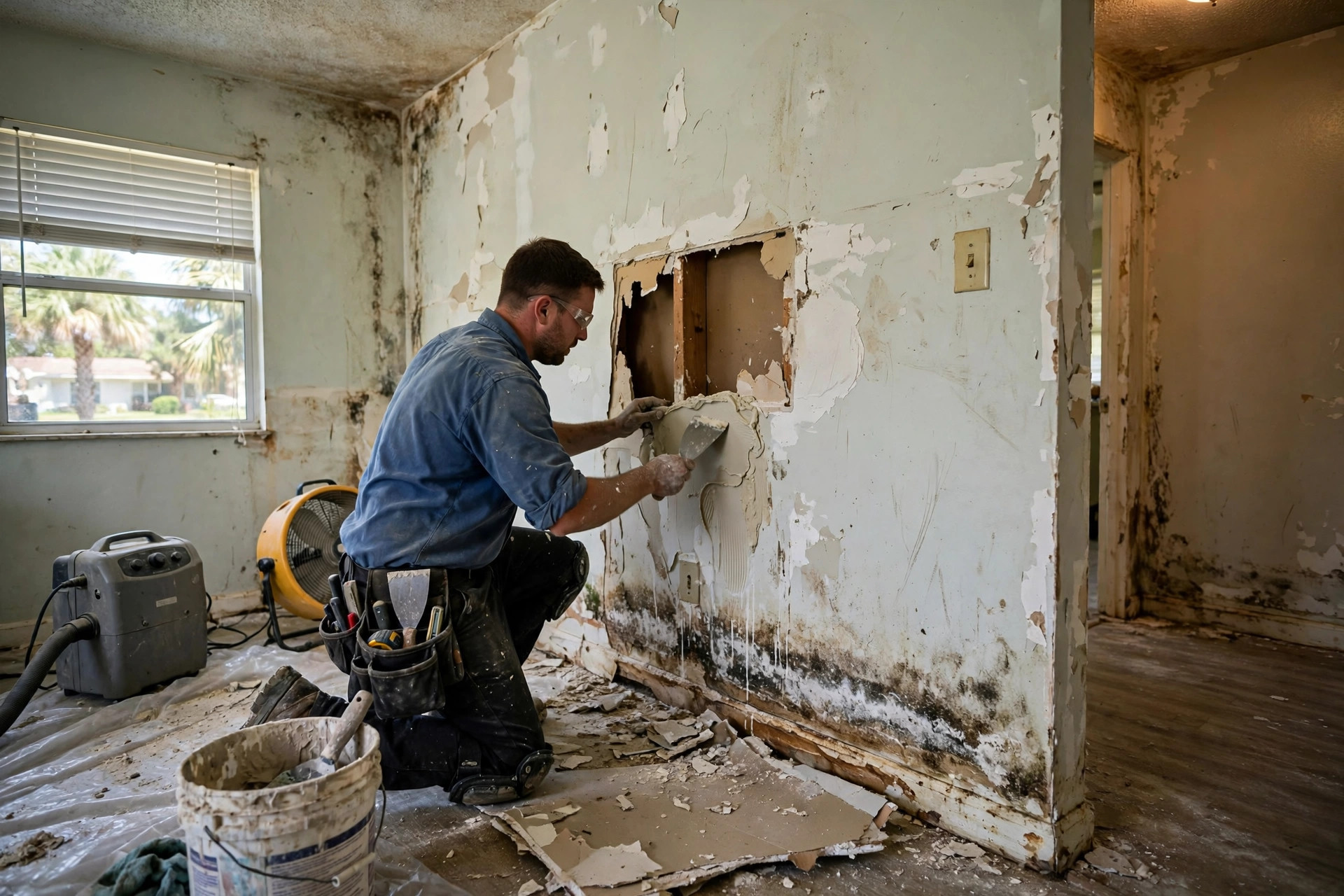
Stopping moisture problems before they spread in Westchester, FL, primarily involves quick detection and immediate action. The timeframe for effective intervention is often within 24–48 hours of water intrusion to prevent significant secondary damage like mold growth and structural weakening. In Miami-Dade County, where the tropical monsoon climate brings hot, wet summers and frequent heavy rainfall, homes are particularly susceptible. The older housing stock in areas like Little Havana and Overtown, often built decades ago, may have less robust waterproofing or aging plumbing systems, making them more vulnerable to leaks and water intrusion. Newer constructions in Brickell or the Design District, while modern, are not immune to the impacts of a burst pipe or a sudden downpour, especially with the high humidity levels that permeate the air here.
Understanding Water Damage Categories
Water damage isn't a single issue; it's categorized based on the source and potential contaminants, which dictates the necessary remediation approach. Recognizing these categories is the first step in effective water damage repair. Category 1 water originates from a clean source, such as a broken water supply line or an overflowing bathtub without contaminants. While initially clean, if left untreated, it can degrade to Category 2 or 3. Category 2 water, or 'grey water,' contains some level of contaminants, posing a health risk. This includes discharge from dishwashers or washing machines, or toilet overflows containing urine but no feces. Category 3 water, or 'black water,' is grossly contaminated and can cause severe illness or death. This category includes sewage, floodwaters from rivers (a concern for low-lying areas near the Miami River), and any water that has stood for an extended period, allowing microbial growth. Handling Category 2 and 3 water always requires professional intervention due to the inherent health risks.
Common Sources of Water Damage in Miami-Dade Homes
In Miami-Dade County, homes face a unique set of challenges when it comes to water damage. Beyond the obvious threats of hurricanes and tropical storms, which can lead to widespread flooding, everyday issues frequently cause significant damage. A common culprit is a leaky air conditioning unit, especially during our long, humid summers. Condensate lines can clog, causing water to back up and spill into ceilings or walls. Older homes in Coconut Grove or Coral Gables might contend with aging plumbing systems, where pipes corrode and burst, often hidden behind walls or under floors. Even a small pinhole leak can release hundreds of gallons over days, saturating building materials. Additionally, the heavy, sudden downpours typical of our tropical monsoon climate can overwhelm gutters and drainage systems, leading to water intrusion through roofs, windows, or foundations. These incidents often require swift <a href="/services/emergency-water-damage-restoration">emergency water damage restoration</a> to prevent further complications.
The Importance of Quick Detection and Action
Time is the most critical factor in mitigating water damage. The longer water sits, the more extensive and costly the damage becomes. Within 24–48 hours, mold can begin to grow on damp surfaces, especially in our warm, humid climate. This is a particular concern in Miami, where the perpetual humidity creates an ideal environment for mold spores to thrive. Beyond mold, prolonged moisture exposure can warp wooden floors, damage drywall, weaken structural components, and ruin personal belongings. Addressing water intrusion quickly can save homeowners thousands of dollars in repairs and prevent serious health issues associated with mold exposure. If you suspect water damage, even a small leak, investigating and acting promptly is paramount. For a deeper dive into whether to handle it yourself or call a professional, you might find our article on <a href="/blog/diy-vs-pro-water-damage-repair-in-miami">DIY vs. Pro Water Damage Repair in Miami</a> helpful.
Steps for Effective Water Damage Repair in Westchester, FL
Once water damage is identified, a structured approach is essential to ensure thorough restoration and prevent recurrence. This process typically involves several key steps:
- Water Extraction: The immediate priority is to remove standing water. Depending on the volume, this could involve pumps, wet vacuums, or industrial-grade extractors. For significant flooding, especially after heavy rains common in Miami, professional equipment is crucial for efficient removal. Our team is available Mon–Fri 8am–6pm, Sat 9am–2pm to assist with such needs.
- Drying and Dehumidification: After extraction, the area must be thoroughly dried. This involves using industrial air movers and dehumidifiers to remove moisture from porous materials and the air itself. Given Miami's high humidity, this step is critical to prevent mold growth. Without proper dehumidification, even seemingly dry surfaces can retain enough moisture to foster microbial activity.
- Cleaning and Sanitizing: All affected surfaces and items must be cleaned and sanitized. For Category 2 or 3 water, this step is vital to eliminate contaminants and prevent health hazards. This also applies to areas affected by sewage backups, which are not uncommon in older infrastructure in parts of Miami-Dade County.