
2026-10-21 ·
Residential Mold Inspection in Pinecrest, FL – Find Hidden Mold Problems
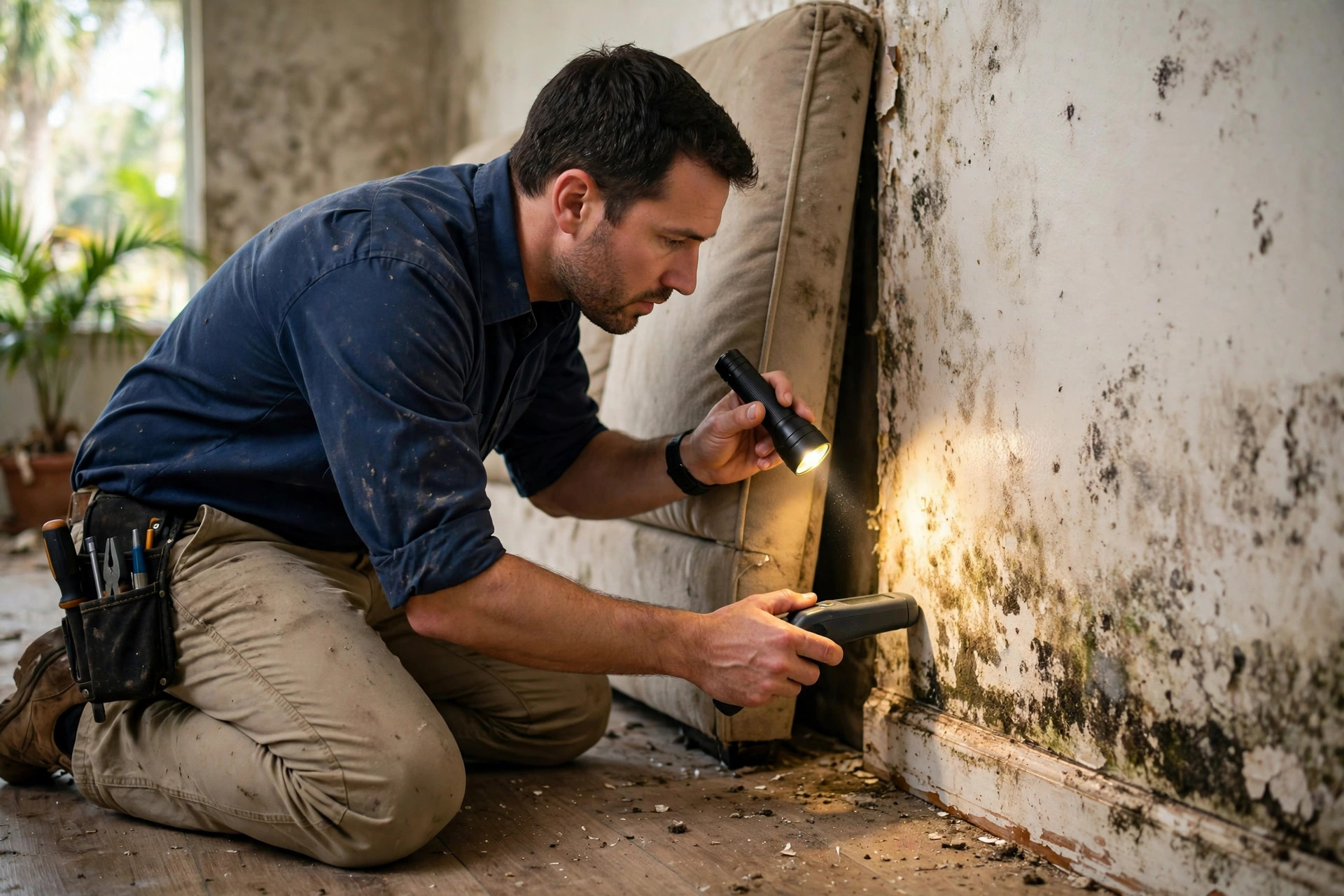
Residential mold inspection in Pinecrest, FL, can absolutely find hidden mold problems, often in places homeowners overlook, like behind walls, under flooring, or in poorly ventilated attics and crawl spaces. Given Miami-Dade County's tropical monsoon climate with its hot, wet summers, moisture intrusion is a constant threat, creating ideal conditions for mold growth. A thorough inspection typically involves using specialized tools like moisture meters and thermal imaging cameras to detect elevated moisture levels where mold might be present, even if not visible. The process often includes air quality testing and surface sampling to identify mold types and concentrations, providing a comprehensive understanding of the issue. This proactive approach is essential for homes in areas like Pinecrest, where humidity is consistently high and water events, from heavy rains to plumbing leaks, are common occurrences that can quickly lead to significant hidden mold growth if not addressed promptly.
Why Pinecrest Homes Are Prone to Hidden Mold
Homes in Pinecrest, like many in Coral Gables and Coconut Grove, often feature diverse architectural styles, from mid-century modern to Mediterranean revival, many of which are 40 to 70 years old. Older homes, especially, can have aging plumbing systems, less robust waterproofing, or original construction materials that are more susceptible to water absorption. The pervasive humidity in Miami-Dade County means that even minor leaks—perhaps from a slow drip under a sink or a compromised roof flashing—can quickly escalate into significant mold issues. Unlike drier climates, where moisture might evaporate, our local conditions mean that any damp spot provides a fertile breeding ground for mold within 24–48 hours. This makes routine vigilance and professional inspections particularly important for preserving property values and indoor air quality in our community. We frequently see hidden mold in areas like utility closets or behind bathroom tiles where ventilation might be insufficient.
Common Hiding Spots for Mold in Your Home
Mold is a master of disguise, often growing in dark, undisturbed areas where moisture is present. In Pinecrest residences, we commonly find mold lurking in several key spots. Basements and crawl spaces, while less common in our region's slab-on-grade construction, can still harbor mold if not properly sealed and dehumidified, especially after heavy rains. Attics are another prime location, particularly if there are roof leaks or inadequate ventilation, which allows humid air to condense. Inside walls, behind wallpaper, and under floorboards are frequent culprits, especially following a plumbing leak or a significant weather event. Even seemingly dry areas can have hidden mold if there was a past water intrusion that wasn't thoroughly dried. For instance, a slow leak from an upstairs bathroom could manifest as mold on a ceiling below, long after the initial leak was thought to be resolved. This is why a detailed, professional inspection is so vital.
The Mold Inspection Process: What to Expect
A professional mold inspection in Pinecrest typically begins with a thorough visual assessment of your property, both inside and out. Our technicians, experienced with Miami's unique climate and housing types, look for visible signs of water damage, musty odors, and potential moisture sources. We then employ specialized equipment to detect hidden moisture. For example, a moisture meter can identify elevated moisture levels within walls, floors, and ceilings without causing damage. Thermal imaging cameras are invaluable for pinpointing temperature differences that often indicate hidden water intrusion or condensation points, revealing where moisture might be accumulating unseen. If these initial findings suggest hidden mold, we proceed with air sampling to measure mold spore concentrations in the indoor air compared to outdoor baseline samples, and surface sampling (swabs or tape lifts) to identify specific mold species present. This comprehensive approach ensures that even the most elusive mold problems are uncovered. For more details on addressing such issues, explore our services like [/services/miami-dade-county-mold-remediation].
Signs You Might Have Hidden Mold
Even without visible mold, several indicators can suggest a hidden problem in your Pinecrest home. The most common sign is a persistent musty odor, often described as earthy or damp, which is the smell of active mold growth. If this smell is stronger in certain rooms or areas, it's a strong clue. Another indicator is respiratory issues or allergy-like symptoms that worsen when you are at home and improve when you leave. This could include sneezing, coughing, itchy eyes, or a runny nose. Additionally, peeling paint, bubbling wallpaper, or discolored patches on walls or ceilings, even if seemingly dry, can point to past or ongoing moisture issues leading to hidden mold. If you've recently experienced a plumbing leak, roof damage, or even prolonged high indoor humidity, it's prudent to consider a mold inspection, as these events significantly increase the risk. Our article on [/blog/top-signs-of-water-damage-needing-repair-in-miami] offers further insights into related issues.
The Importance of Professional Mold Inspection
Attempting to find and address hidden mold yourself can be challenging and, in many cases, ineffective. Mold often requires specialized knowledge and equipment to locate accurately, especially in its early stages or when concealed within structural elements. Professional inspectors understand the dynamics of mold growth in our humid Miami-Dade environment and know exactly where to look based on local construction practices and common moisture sources. They can differentiate between surface mildew and deeper, more problematic mold infestations. Furthermore, a professional inspection provides an unbiased assessment and detailed report, which is crucial for determining the scope of any necessary remediation and for insurance purposes. Ignoring hidden mold can lead to extensive structural damage, compromised indoor air quality, and potential health concerns for residents. Our team is available Monday through Friday from 8am to 6pm, and Saturday from 9am to 2pm, to assist with your inspection needs.