
2026-10-21 ·
Residential Flood Damage Repair in Miramar, FL – Get Expert Restoration Help
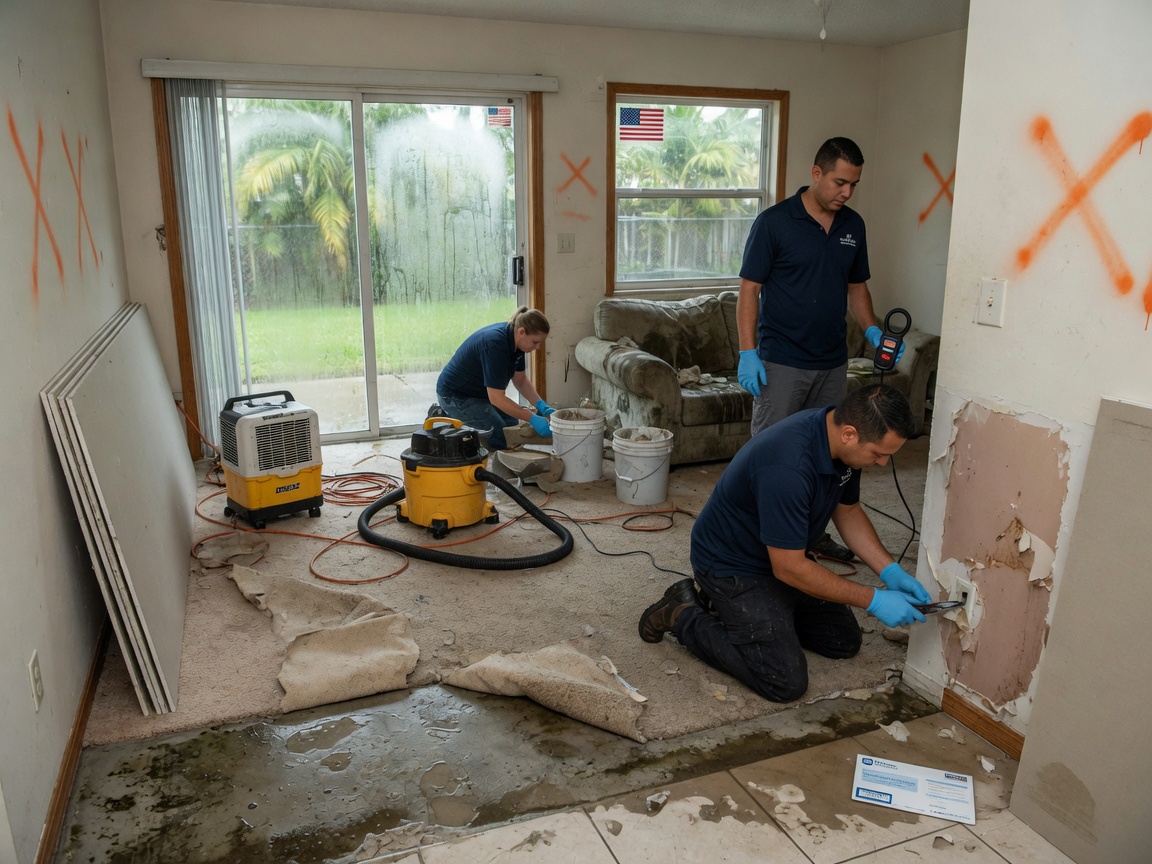
Residential flood damage repair in Miramar, FL, can range significantly in cost and complexity, typically falling between $3,000 and $15,000 for moderate damage, but potentially exceeding $30,000 for severe structural issues or widespread mold. The exact cost and duration of the repair process, which can take anywhere from 3 days to several weeks, depend heavily on the extent of water intrusion, the type of water (clean, gray, or black), and how quickly professional intervention begins. In Miramar, a community within Miami-Dade County, homes often face challenges from the tropical monsoon climate, especially during the hot, wet summers. This climate, combined with the area's low elevation and proximity to the coast, makes properties particularly susceptible to water intrusion from heavy rains, storm surges, and even plumbing failures in older homes common in neighborhoods like Little Havana or Coconut Grove. Swift action is crucial to mitigate secondary damage such as mold growth, which can quickly escalate repair expenses.
Understanding Flood Damage Categories in Miramar Homes
When water invades a home in Miramar, it's not just about the volume of water; the source and contaminants present are equally critical. Restoration professionals categorize water damage into three types, each dictating a specific approach to cleanup and repair. Category 1 involves clean water, such as from a burst pipe or overflowing sink, posing minimal health risks if addressed quickly. However, even clean water can degrade to Category 2 within 24-48 hours if left untreated, especially in Miami's humid environment. Category 2 water, or gray water, comes from sources like washing machine overflows or toilet bowls (without solid waste), containing some contaminants that can cause illness. This type of water requires more cautious handling and thorough disinfection.
The most severe is Category 3, or black water, originating from sewage backups, rising floodwaters from canals, or storm surges common in coastal areas like Brickell and Downtown Miami. This water is highly contaminated with pathogenic bacteria and viruses, posing significant health risks. Properties affected by black water often require extensive demolition of porous materials, specialized decontamination, and comprehensive drying protocols. Understanding these categories is vital for homeowners in Miramar, as it directly impacts the safety measures, equipment, and restoration techniques needed, influencing both the timeline and overall cost of the repair. For severe cases, especially after hurricane events, specialized services for [/services/post-hurricane-flood-damage-repair] are essential.
The Residential Flood Damage Repair Process
Effective flood damage repair in Miramar follows a structured, multi-step process designed to restore your home to its pre-loss condition while preventing long-term issues. The initial step is always emergency water extraction, where powerful pumps and vacuums remove standing water. This is a time-sensitive phase, as every hour water remains in the property increases the risk of structural damage and mold. Following extraction, a thorough drying and dehumidification process begins. Industrial-grade air movers and dehumidifiers are strategically placed to remove moisture from structural elements, flooring, and air. This step is particularly important in Miami-Dade County's humid climate, where natural drying is often insufficient and can lead to hidden moisture pockets.
Next, cleaning, sanitizing, and deodorizing are performed. Contaminated materials are either cleaned and disinfected or safely removed. This is crucial for Category 2 and 3 water damage, where pathogens and strong odors can linger. Technicians use specialized antimicrobial treatments to prevent mold and bacterial growth, especially in areas like Wynwood and Coconut Grove where older homes might have less robust moisture barriers. Finally, restoration and repairs commence, which can range from minor fixes like replacing drywall and flooring to major structural rebuilds. This comprehensive approach ensures that not only is visible damage addressed, but also underlying issues are resolved, safeguarding the home's integrity and indoor air quality.
Factors Influencing Flood Repair Costs in Miramar
The cost of residential flood damage repair in Miramar, FL, is influenced by several key factors that homeowners should be aware of. The scope of damage is paramount; a small leak affecting a single room will naturally be less costly than widespread flooding impacting multiple levels or structural components. The type of water contamination also plays a significant role. Category 1 (clean water) damage is generally less expensive to remediate than Category 3 (black water) damage, which requires extensive sanitization and often the removal of more affected materials. For example, a sewage backup in a Coral Gables home would incur higher costs due to the health risks and specialized cleaning involved.
Material replacement costs are another major factor. Replacing damaged flooring (e.g., hardwood, tile, carpet), drywall, insulation, and cabinetry can quickly add up. The age and construction style of homes in areas like the Design District or Overtown can also affect costs, as older materials may be harder to source or require more delicate handling. Furthermore, the presence of mold significantly increases repair expenses, as it necessitates specialized mold remediation services, which can add thousands of dollars to the total. Prompt action to address water damage can prevent mold, underscoring the importance of quick response. For more details on preventing mold, consider reading our article on [/blog/crawl-space-water-damage-repair-in-miami-fl-prevent-moisture-and-mold].
Preventing Future Flood Damage in Miami-Dade County
While complete flood prevention can be challenging in a tropical monsoon climate like Miami-Dade County, especially with the hot, wet summers, homeowners in Miramar can take proactive steps to minimize their risk. Regular maintenance of plumbing and appliances is crucial. Inspect pipes for leaks, ensure water heaters are in good condition, and check appliance hoses periodically. For instance, a small leak from an aging water heater in a Downtown Miami condo can cause significant damage if unnoticed. Consider installing water detection sensors in vulnerable areas like laundry rooms, bathrooms, and basements, which can alert you to leaks early.