
2026-10-21 ·
Residential Flood Cleanup in Sunny Isles Beach, FL – Restore Your Property Quickly
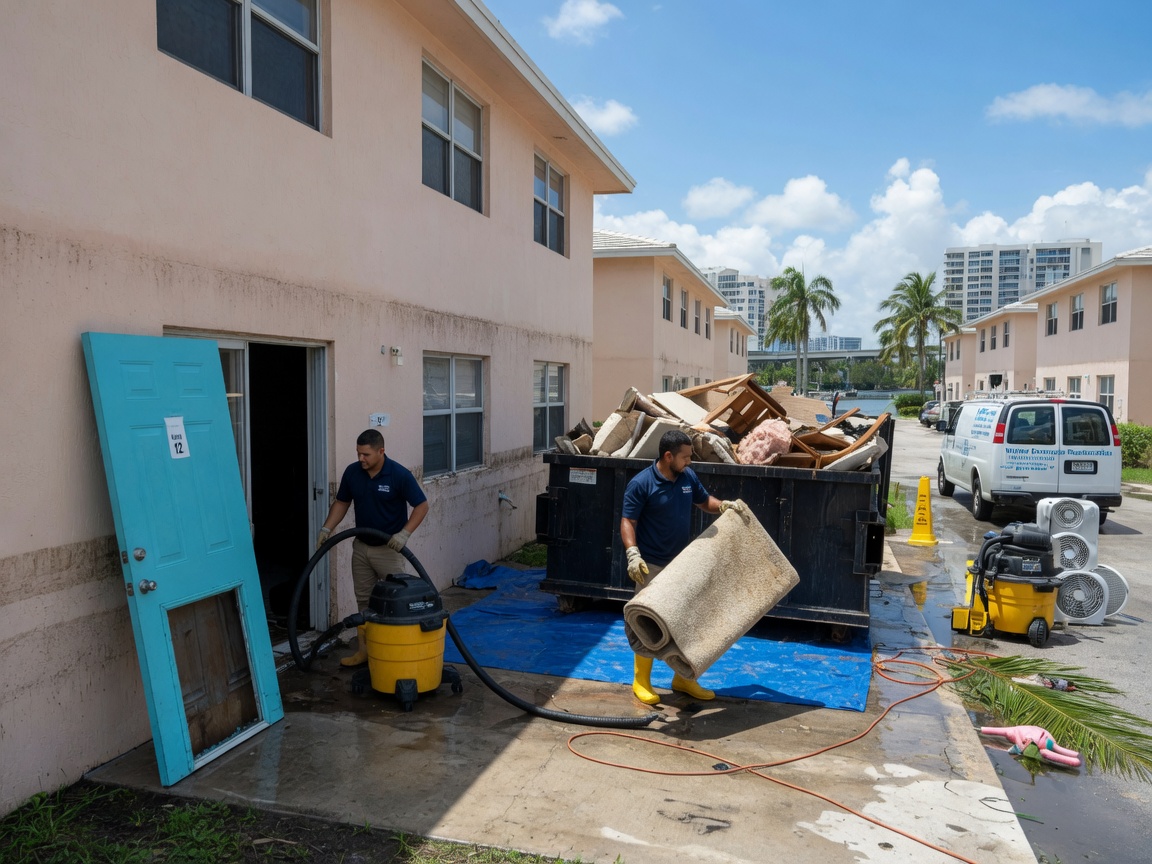
Residential flood cleanup in Sunny Isles Beach, FL, typically takes 3–7 days for minor to moderate incidents, assuming quick professional intervention. This timeframe can extend significantly for severe flooding, especially if structural components like subflooring or wall cavities are saturated, or if mold has already begun to form due to our tropical monsoon climate with hot, wet summers. Swift action within the first 24–48 hours is critical to preventing secondary damage like mold growth and extensive material deterioration, which can push restoration times to 2 weeks or more. Our local experience in areas like Downtown Miami and Brickell has shown that properties built closer to the coast, often with concrete slab foundations and stucco exteriors, can sometimes dry out more predictably than older homes in areas like Little Havana with crawl spaces, but the high humidity here always demands professional drying equipment.
Immediate Steps After a Flood in Sunny Isles Beach
After a flood impacts your Sunny Isles Beach residence, your immediate response can significantly influence the extent of damage and the speed of recovery. First and foremost, ensure the safety of everyone in the home. If the water level is high or there's any risk of electrical hazards, do not enter the affected areas. Contact your utility company to shut off power to the flooded sections of your home. Next, if safe to do so, try to identify the source of the water. Is it a burst pipe, an overflowing appliance, or external flooding from heavy rains common to Miami-Dade County? Stopping the source is paramount to preventing further damage. Our team is often on site within hours, ready to begin the 24/7 emergency water extraction process, which is the crucial first step to mitigating the damage.
Once the immediate safety concerns are addressed and the water source is contained, begin removing as much standing water as possible. For minor floods, this might involve buckets and mops, but for significant flooding, especially in multi-story condos prevalent in Sunny Isles Beach, professional-grade pumps and wet vacuums are indispensable. Move valuable items, furniture, and electronics to a dry area to prevent further saturation. Remember, porous materials like upholstered furniture and carpets can absorb water quickly and become breeding grounds for mold if not dried thoroughly within 24–48 hours. We understand the urgency, especially when dealing with the high humidity that characterizes our local climate, making rapid response even more critical here than in drier regions.
Understanding Water Damage Categories
Not all floodwater is created equal, and understanding the different categories of water damage is essential for proper cleanup and restoration, particularly in a densely populated area like Sunny Isles Beach. The Institute of Inspection, Cleaning and Restoration Certification (IICRC) defines three categories: Category 1 (Clean Water), Category 2 (Gray Water), and Category 3 (Black Water). Clean water originates from a sanitary source, like a burst water supply line, and poses no immediate health threat. However, if left untreated, it can quickly degrade to Category 2. Gray water contains a significant level of chemical, biological, or physical contaminants, such as water from a washing machine overflow or a toilet bowl with urine but no feces. This water can cause illness if ingested.
The most hazardous is Category 3 (Black Water), which is grossly unsanitary and contains harmful bacteria and fungi. This includes sewage backups, floodwater from rivers or oceans (which is common in coastal areas like Sunny Isles Beach during storm surges), or any water that has been stagnant for an extended period. Black water requires specialized handling and disinfection protocols to protect occupants. For example, if your home experiences a sewage backup cleanup and disinfection for condos, it’s crucial to know that this is Category 3 and requires immediate professional attention to prevent serious health risks. Our teams in Miami-Dade County are equipped to handle all categories, ensuring the safety and thorough restoration of your property.
The Professional Flood Cleanup Process
When our team arrives at your Sunny Isles Beach property, we follow a systematic process to ensure thorough and efficient restoration. This starts with a comprehensive assessment of the damage, identifying the water source, assessing the category of water, and determining the extent of saturation in building materials and contents. We use advanced moisture meters and thermal imaging cameras to detect hidden moisture within walls, ceilings, and flooring, which is particularly important in our humid climate where moisture can linger unseen. This initial step allows us to develop a tailored water damage restoration process specific to your home's needs.
Next, we proceed with water extraction, removing all standing water using powerful pumps and wet vacuums. This is followed by drying and dehumidification, where high-speed air movers and industrial-grade dehumidifiers are strategically placed to circulate air and draw moisture out of the building materials. This phase is critical in preventing mold growth, a common concern in Miami's tropical environment. We monitor moisture levels daily to ensure optimal drying. Simultaneously, we perform cleaning and sanitizing of affected areas and contents. For Category 2 or 3 water, this includes thorough disinfection to eliminate bacteria and pathogens. Finally, restoration and repairs are undertaken, which can range from minor repairs like drywall replacement to major structural rebuilds, returning your home to its pre-flood condition. Our goal is to make the process as seamless as possible, minimizing disruption to your daily life.
Preventing Future Flood Damage in Coastal Miami-Dade
Living in Sunny Isles Beach, or anywhere in Miami-Dade County, means being prepared for the realities of a tropical monsoon climate, including heavy rainfall and potential storm surges. While you can't prevent all floods, several proactive measures can significantly reduce your home's vulnerability. Regularly inspect and maintain your roof and gutters to ensure proper drainage, especially before and after our intense summer rainy season. Consider installing a backwater valve on your sewer line to prevent sewage backups during heavy downpours, a common issue in older homes throughout Miami. Elevating appliances and valuable items, especially in ground-level units or homes, can also protect them from minor flooding.