
2026-10-21 ·
Mold Removal in Little Havana, Miami, FL – Call for Professional Home Remediation
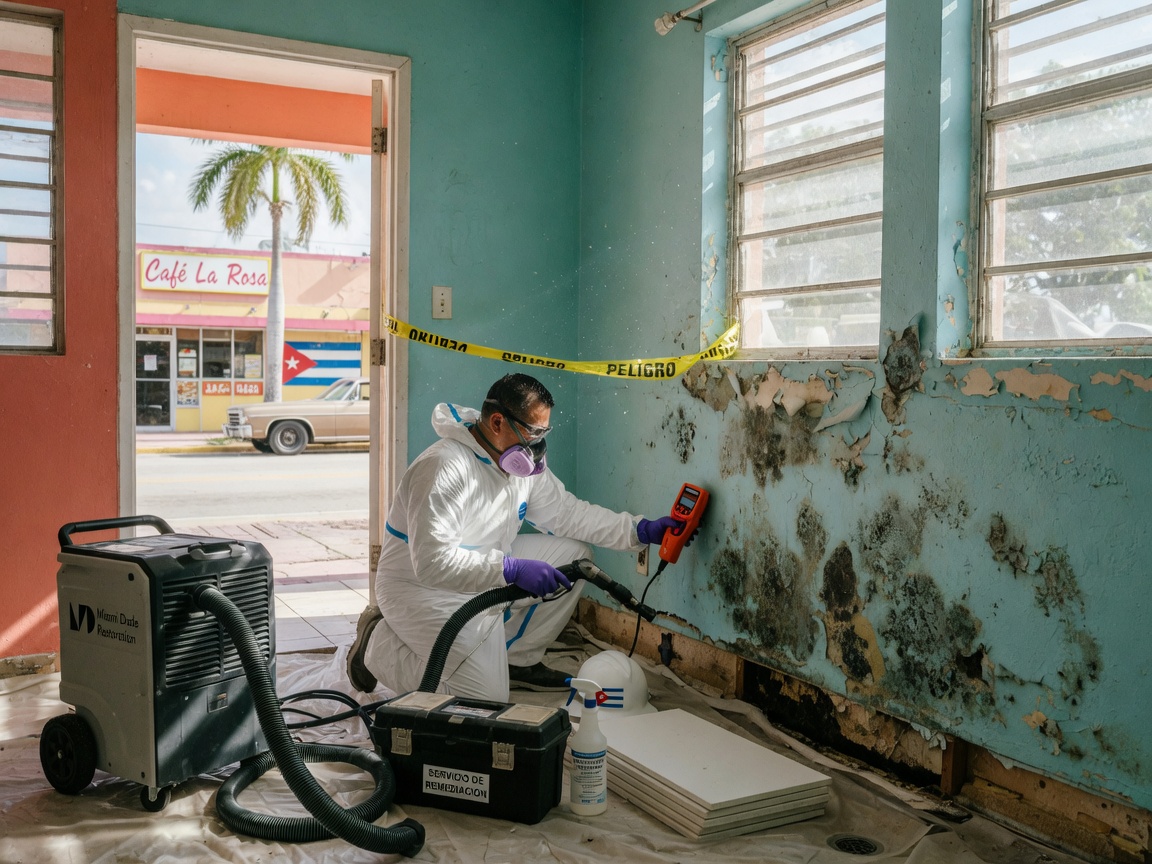
Mold removal in Little Havana, Miami, FL, is a critical service for many homeowners, particularly due to our region's hot, wet summers and high humidity. When you discover mold, professional home remediation is highly recommended. While minor surface mold on non-porous materials might be tackled by a homeowner, extensive growth, or mold on porous surfaces like drywall, insulation, or wood, requires specialized equipment and expertise. The cost for professional mold remediation in Miami-Dade County can vary significantly, typically ranging from $500 to $6,000 for smaller, contained areas, and potentially $10,000 to $30,000 or more for severe, widespread infestations affecting multiple rooms or structural elements. The timeline for remediation can also range from 1–3 days for a small, isolated issue to 1–2 weeks or longer for complex cases involving structural drying and extensive repairs. Factors like the size of the affected area, the type of mold, the materials contaminated, and the underlying cause of moisture all influence the scope and duration of the work.
Understanding Mold Growth in Little Havana Homes
Little Havana, like much of Miami-Dade County, experiences a tropical monsoon climate characterized by hot, wet summers. This consistent humidity, often coupled with heavy rainfall, creates an ideal environment for mold spores to thrive. Many homes in Little Havana, particularly older ones, may have less robust moisture barriers or older plumbing systems that are more susceptible to leaks. Condensation from air conditioning units, especially those not regularly maintained, can also contribute to localized moisture issues within walls or attics. Even a small, undetected leak from a roof, a window, or a pipe can lead to significant mold growth within 24–48 hours in our humid conditions. The unique architecture of many homes, often built decades ago, means that hidden spaces can harbor moisture, making mold detection challenging without professional assessment. Understanding these local conditions is key to effective prevention and remediation.
Common Signs of Mold Infestation
Identifying mold early can save homeowners in Little Havana from more extensive damage and costly repairs. While visible mold is the most obvious sign, often appearing as black, green, or white fuzzy patches on walls, ceilings, or floors, it's not always readily apparent. Many times, mold grows in hidden areas, such as behind drywall, under flooring, or within ventilation systems. Therefore, homeowners should be vigilant for other indicators. A persistent musty or earthy odor is a primary red flag, often signaling hidden mold growth. If you notice a sudden increase in respiratory issues among household members, such as coughing, sneezing, or irritated eyes, especially when indoors, mold could be a contributing factor. Additionally, peeling paint, warping walls or floors, or discoloration on surfaces can indicate ongoing moisture problems that are ripe for mold development. If you suspect any of these signs, particularly after a plumbing leak or a period of heavy rain, it's wise to consider a professional inspection.
The Professional Mold Remediation Process
Professional mold remediation in Little Havana follows a structured process designed to safely and effectively remove mold and prevent its return. Our approach begins with a thorough inspection and assessment to identify the extent of the mold growth and its underlying moisture source. This often involves using specialized equipment like moisture meters and thermal imaging cameras to detect hidden moisture. Once the source is identified, containment measures are put in place, using physical barriers and negative air pressure to prevent spores from spreading to unaffected areas of your home. This is especially crucial in densely populated neighborhoods like Little Havana, where spores could easily travel.
Next, affected materials are carefully removed and disposed of according to industry standards. This might include drywall, insulation, carpeting, or other porous items that cannot be fully cleaned. Non-porous surfaces are then cleaned and disinfected using professional-grade antimicrobial solutions. Following removal and cleaning, the area undergoes thorough drying and dehumidification using industrial-strength air movers and dehumidifiers to eliminate any remaining moisture. This step is critical in Miami's humid climate to prevent recurrence. Finally, we conduct post-remediation verification to ensure the mold has been effectively removed and the environment is safe. We also provide recommendations for preventing future mold growth, often linking to our broader water damage restoration services, as mold is almost always a secondary issue to water intrusion.
Why Professional Remediation is Essential in Miami
Attempting extensive mold removal yourself, especially in a tropical environment like Miami, can be risky and often ineffective. Without proper training and equipment, you risk spreading mold spores throughout your home, exacerbating the problem. Professional remediation teams, like ours, have the necessary personal protective equipment (PPE) to safely handle mold and prevent cross-contamination. We also possess specialized tools for detection, containment, and drying that are not readily available to homeowners. Furthermore, our experience with the unique challenges of Miami-Dade County's climate, including the high humidity and potential for rapid mold regrowth, allows us to implement effective long-term solutions. We understand how quickly mold can take hold after events like heavy summer storms or even a minor pipe burst in an older Brickell condo or a Little Havana residence.
Preventing Future Mold Growth
While professional remediation addresses existing mold, proactive measures are crucial for preventing its return, especially in our Miami climate. The most important step is to control moisture. This means promptly repairing any leaks in plumbing, roofs, or windows. Ensure your home has adequate ventilation, particularly in bathrooms, kitchens, and laundry areas. Using exhaust fans during and after showers and cooking can significantly reduce indoor humidity. Consider investing in a dehumidifier for your home, especially during the hot, wet summer months when outdoor humidity levels are consistently high. Maintaining your air conditioning system is also vital; regular service helps prevent condensation issues. If you experience any significant water intrusion, such as a burst pipe or a small flood, it's essential to address the water damage immediately. Our team offers 24 7 emergency water extraction services to help mitigate damage and prevent mold before it starts. By being vigilant and addressing moisture sources promptly, you can significantly reduce the risk of future mold problems in your Little Havana home.