
2026-10-21 ·
Hurricane Flood Damage Repair in Homestead, FL – Restore Your Home Fast
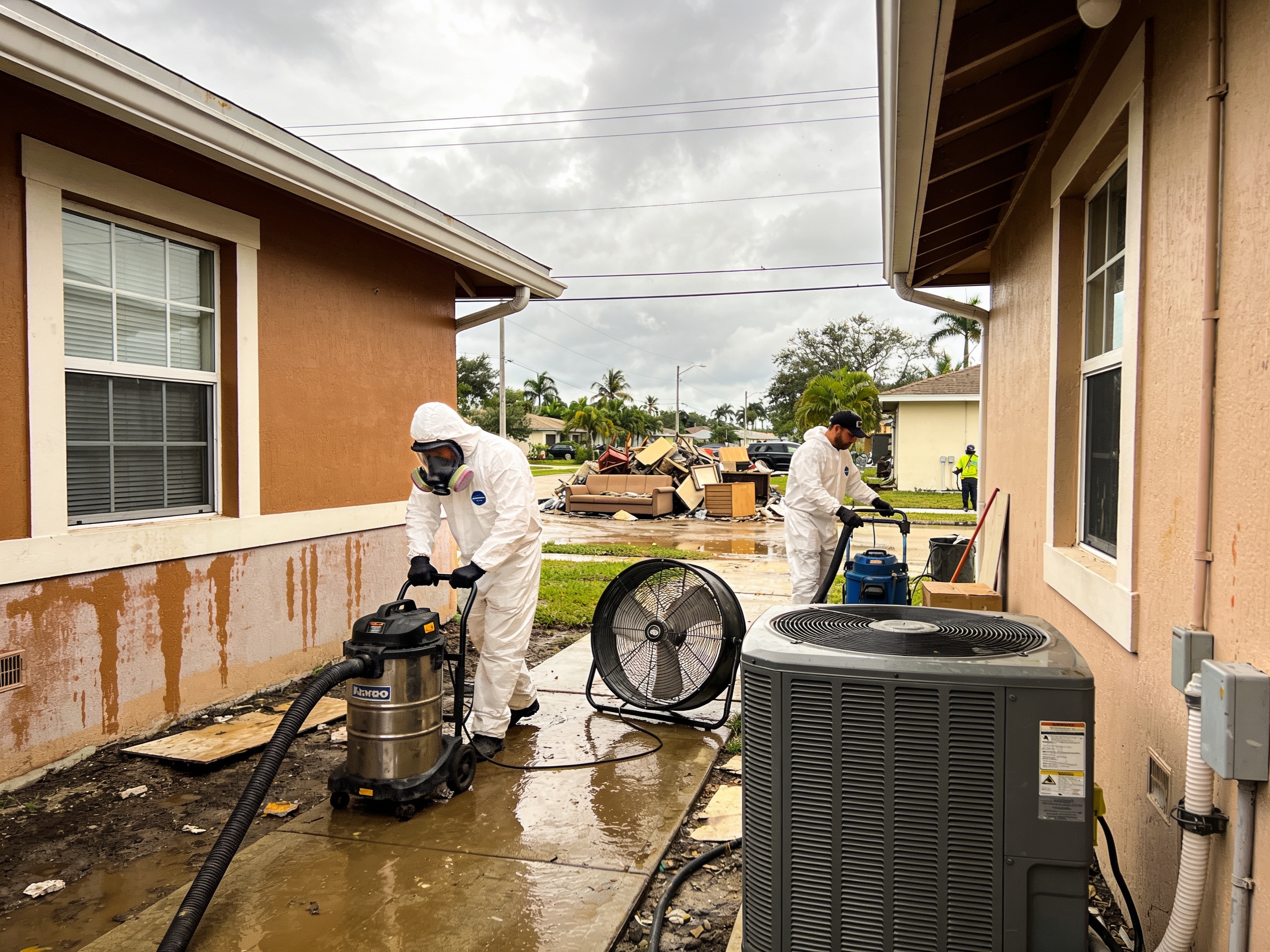
Hurricane flood damage in Homestead, FL, can be overwhelming, but restoring your home fast is entirely possible with a strategic approach. Typically, a comprehensive restoration for moderate hurricane flooding—meaning several inches of standing water—can take anywhere from 3 days to 2 weeks for initial drying and remediation, with more extensive structural repairs potentially extending to 1–3 months or longer depending on the severity of the damage. The key to a swift recovery in Miami-Dade County is immediate action: addressing the water within the first 24–48 hours is critical to preventing secondary damage like mold growth and extensive structural issues that are common in our hot, wet tropical monsoon climate. Our team is available Mon–Fri 8am–6pm, Sat 9am–2pm to help Homestead residents navigate these challenging situations.
Immediate Steps After Hurricane Flooding in Homestead
Once the hurricane has passed and it's safe to re-enter your Homestead property, the very first step is to prioritize safety. Be aware of electrical hazards, unstable structures, and potential contaminants in the floodwater. If the power is on, turn off the main breaker to prevent electrocution. Next, contact your insurance company to report the damage and document everything with photos and videos. This initial documentation is vital for your claim. After ensuring safety and notifying your insurer, the most critical action is to begin water removal as quickly as possible. The longer water sits, especially in our humid Miami climate, the greater the risk of irreversible damage and mold proliferation. For immediate assistance with water extraction, especially after a hurricane, professional services like our 24/7 water extraction from hurricane flooding are essential.
Understanding the Water Damage Restoration Process
Restoring a home in Homestead after hurricane flooding involves several key stages, each designed to systematically return your property to its pre-loss condition. The process begins with water extraction, using powerful pumps and vacuums to remove standing water. Following this, drying and dehumidification are crucial to eliminate residual moisture from structural elements and contents. Given Miami's tropical monsoon climate with hot, wet summers, thorough drying is paramount to prevent mold. Air movers and industrial-grade dehumidifiers are strategically placed to create optimal drying conditions. Next comes cleaning and sanitizing all affected areas and salvageable items to address contaminants from floodwaters. Finally, restoration and repairs are undertaken, which might involve anything from minor drywall replacement to major structural reconstruction. Our water damage restoration process is tailored to the unique challenges of properties in areas like Homestead, Coral Gables, and Miami Beach.
Mitigating Mold Risks in Miami-Dade County Homes
The combination of hurricane flooding and Miami-Dade County's consistently high humidity creates a perfect breeding ground for mold. Mold can begin to grow within 24–48 hours of water exposure, making rapid drying absolutely essential. Beyond visible mold, it can hide within walls, under flooring, and in HVAC systems, posing health risks and further damaging your home's structure. Effective mold remediation requires specialized equipment and techniques, including containment, air filtration, and antimicrobial treatments. For properties in Homestead, especially those with older construction common in some parts of Miami, proactive and thorough mold remediation for flooded homes is a non-negotiable step in the restoration process. Ignoring even small areas of mold can lead to widespread issues and significant repair costs down the line.
Structural Drying and Material Considerations
Hurricane flood damage often saturates building materials beyond surface level. In Homestead, many homes feature concrete block construction, which, while robust, can hold significant moisture within its porous structure. Drywall, insulation, wood framing, and subflooring are particularly vulnerable. Proper structural drying involves measuring moisture levels in these materials and using targeted drying techniques to bring them back to acceptable levels. This often means removing saturated materials that cannot be salvaged, such as insulation or certain types of flooring. The goal is not just to make things look dry, but to ensure they are dry to their core, preventing long-term issues like rot or mold. This is especially true for properties in low-lying areas or those close to the coast, where water intrusion can be more severe. Our expertise in structural drying services for coastal properties is crucial for effective restoration.
The Importance of Professional Water Damage Restoration
While some minor water issues might seem manageable, hurricane flood damage in Homestead is rarely a DIY project. The sheer volume of water, potential contaminants, and the rapid onset of mold in our tropical climate demand professional intervention. Experienced water damage restoration companies have the industrial-grade equipment, specialized training, and knowledge of local building codes and environmental factors to efficiently and safely restore your home. They can accurately assess the extent of damage, identify hidden moisture, and implement a comprehensive drying and remediation plan. Attempting to manage extensive flood damage yourself can lead to incomplete drying, persistent mold problems, and costly future repairs. For residents in Downtown Miami, Brickell, Wynwood, Little Havana, or Coconut Grove facing similar issues, professional water damage restoration is always the most reliable path to recovery.