
2026-10-21 ·
Hidden Mold Detection in Miami Gardens, FL – Schedule a Professional Assessment
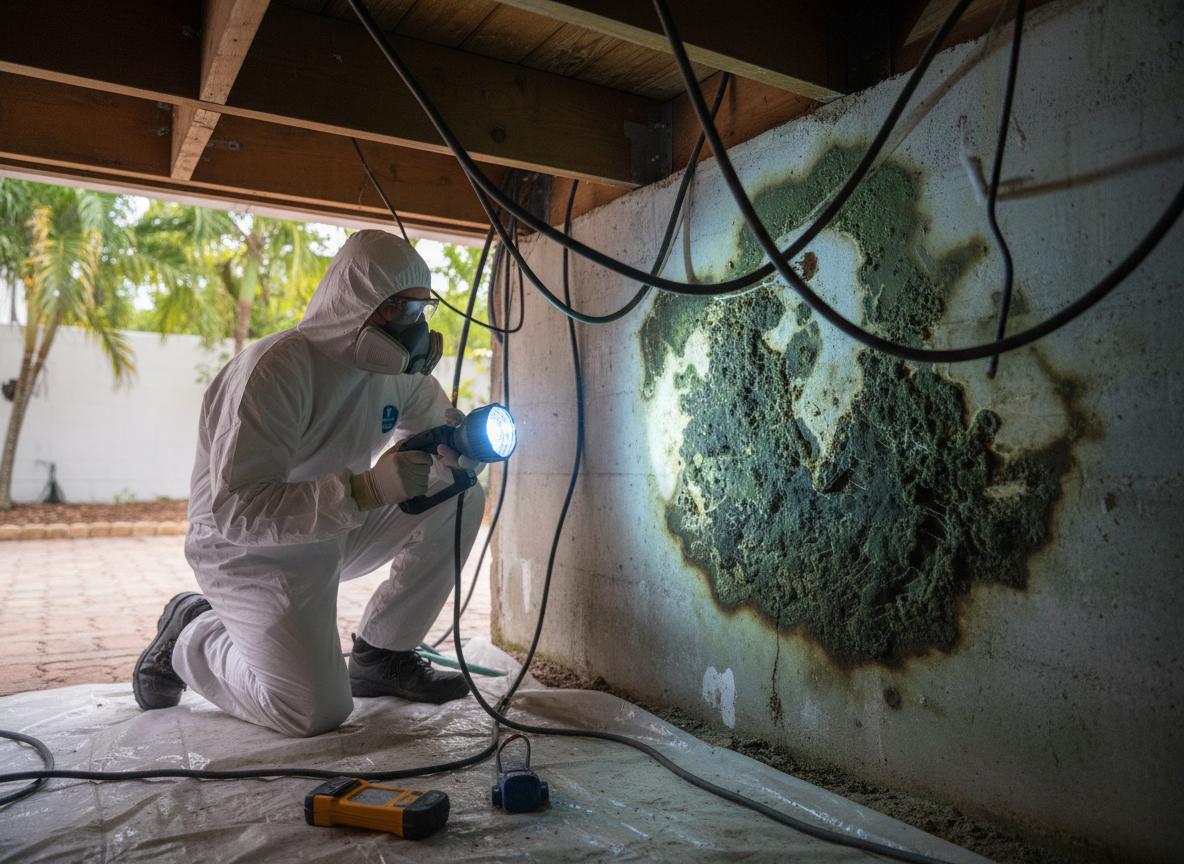
Detecting hidden mold in Miami Gardens, FL, often requires a professional assessment because mold frequently grows in concealed spaces, making visual identification difficult for homeowners. Our experience across Miami-Dade County, from older homes in Little Havana to newer constructions in Brickell, shows that mold can hide behind walls, under flooring, or within HVAC systems, especially after a water intrusion event. The cost for a professional mold assessment in Miami Gardens typically ranges from $300–$700, depending on the size of the property and the extent of the suspected issue. This initial assessment is crucial for pinpointing the exact location and scope of the mold, which then informs the strategy for effective mold remediation in Miami. Ignoring these hidden growths, particularly with our hot, wet summers, can lead to exacerbated structural damage and potential indoor air quality concerns.
Common Hidden Mold Locations in Miami Gardens Homes
In Miami Gardens, the unique combination of warm temperatures and high humidity, characteristic of our tropical monsoon climate, creates ideal conditions for mold growth in less obvious spots. We frequently find mold in areas that experience even minor, recurring moisture, such as behind baseboards in bathrooms or kitchens, under sinks, or within wall cavities where a plumbing leak may have occurred. Attics and crawl spaces are also prime locations, especially in older homes near Coconut Grove or Coral Gables, where ventilation might be inadequate. Even homes in more modern areas like the Design District can suffer from hidden mold if their air conditioning systems aren't properly maintained, leading to condensation issues within the ductwork. Understanding these common hiding spots is the first step in recognizing the need for a professional inspection.
Another prevalent hidden location for mold in Miami-Dade County homes is within the insulation of exterior walls, particularly after heavy rains or a significant weather event. When water penetrates the exterior, it can saturate insulation, creating a damp, dark environment perfect for mold. Similarly, behind large appliances like refrigerators or washing machines, slow leaks can go unnoticed for weeks or months, allowing mold to flourish on walls or flooring. These areas are often overlooked during routine cleaning but can harbor substantial mold colonies. Our team, which regularly works in nearby cities like Hialeah and Miami Beach, has seen firsthand how quickly mold can spread in these hidden, moist environments, often necessitating comprehensive water damage restoration before remediation can even begin.
Subtle Signs of Hidden Mold
While hidden mold isn't visible, it often leaves behind subtle clues that homeowners in Miami Gardens should be vigilant about. The most common indicator is a persistent, musty odor that doesn't dissipate, even after cleaning. This smell, often described as earthy or damp, is a strong sign that mold is growing somewhere, even if you can't see it. Another key sign is the presence of unexplained respiratory issues or allergic reactions among household members, especially if these symptoms improve when away from home. This could include chronic coughing, sneezing, itchy eyes, or skin irritation, which are often exacerbated by mold spores in the air.
Beyond odors and health symptoms, look for visual cues that might suggest hidden water damage, which almost always precedes mold. Peeling paint, bubbling wallpaper, or discoloration on walls or ceilings, even if slight, can indicate moisture intrusion behind the surface. Warping of wooden floorboards or baseboards, especially in areas prone to humidity like near the Bayside Marketplace or Vizcaya Museum, also points to water issues. If you notice any of these signs, particularly after a period of heavy rainfall common during Miami's hot, wet summers, it's time to consider a professional assessment. Addressing these issues promptly can prevent the mold from spreading and causing more extensive damage, a scenario we frequently encounter in homes across Downtown Miami and Wynwood.
Why Professional Mold Assessment is Essential in Miami
Given Miami's specific climate challenges, professional mold assessment is not just a recommendation but a crucial step for homeowners in Miami Gardens. Our tropical monsoon climate means that even minor water leaks or humidity issues can quickly escalate into significant mold problems. Professionals use specialized equipment like moisture meters, thermal imaging cameras, and boroscopes to detect moisture and mold growth behind walls, under floors, and within ceilings without causing unnecessary damage to your property. This non-invasive approach is far more effective than a homeowner trying to locate the source themselves, which can often lead to missing the true extent of the problem or accidentally disturbing mold spores.
Furthermore, a professional assessment provides a detailed report outlining the type of mold, its concentration, and the recommended remediation strategy. This is particularly important in Miami-Dade County, where different types of mold can thrive, each requiring specific handling. Our team has extensive experience identifying and addressing mold issues unique to the area's housing stock, from historic homes in Coconut Grove to modern condos in Brickell. Attempting DIY mold removal without a proper assessment can be ineffective and potentially hazardous, as it may spread spores or fail to address the underlying moisture source. For more insights into addressing mold after water events, you might find our article on Emergency Sewage Cleanup in Hialeah, FL helpful, as sewage backups are a common source of severe mold contamination.
The Assessment Process and What to Expect
When you schedule a professional mold assessment in Miami Gardens, our process is designed to be thorough and transparent. The first step involves a detailed visual inspection of your property, focusing on areas identified as potential problem spots or those showing subtle signs of hidden mold. We'll use our specialized tools to measure moisture levels in various materials, as elevated moisture is the precursor to mold growth. Thermal imaging helps us identify temperature differences that can indicate hidden water intrusion or condensation within wall cavities, even in homes near landmarks like the Freedom Tower or Marlins Park.