
2026-10-21 ·
Flooded Home Cleanup in Miami Gardens, FL – Get Fast Restoration Help
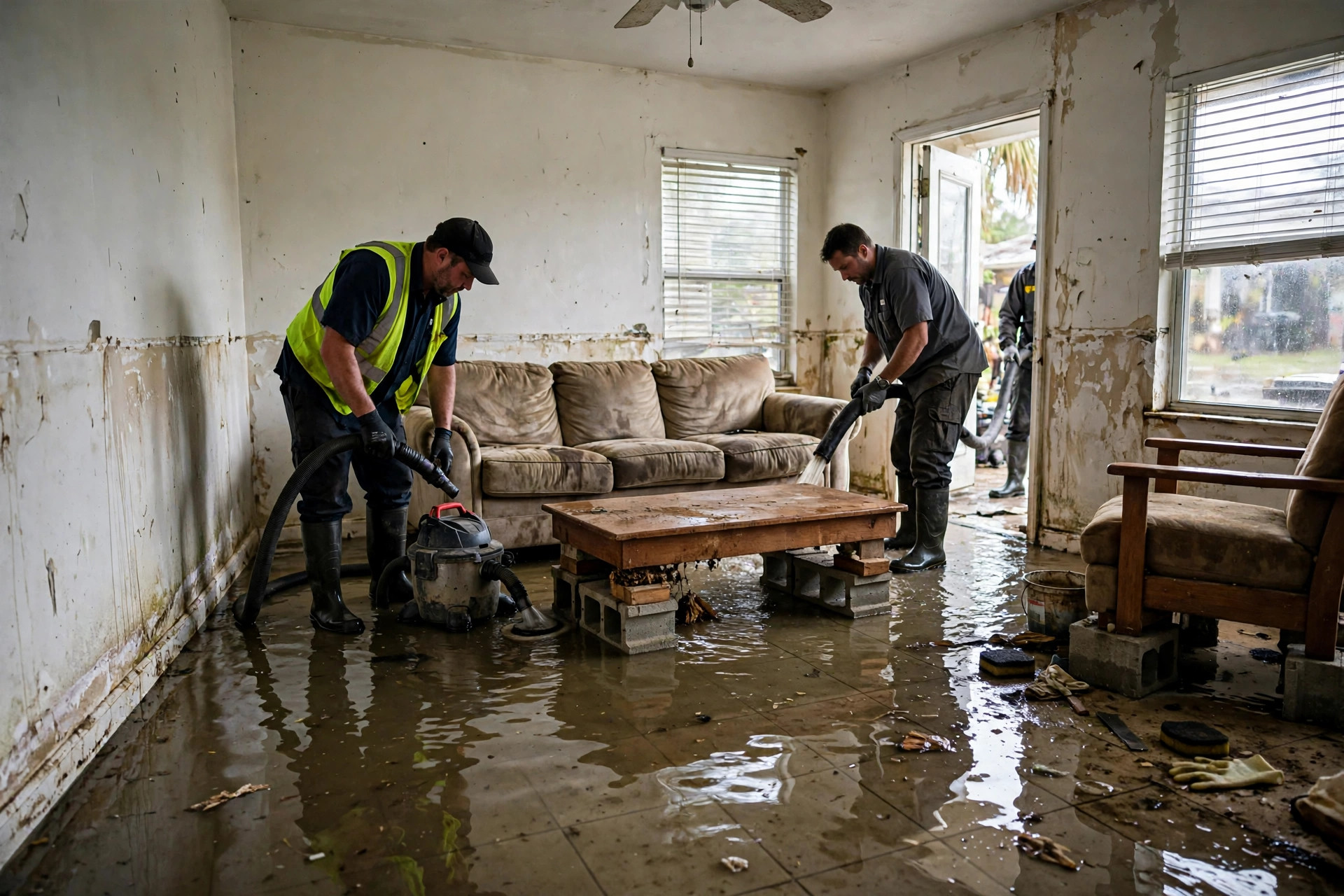
When your Miami Gardens home faces flooding, the cleanup process typically takes 3–5 days for minor to moderate incidents, but can extend to 1–2 weeks or more for severe structural damage or widespread mold growth. This timeline is heavily influenced by the extent of water intrusion, the type of water (clean, gray, or black), and how quickly professional help is engaged. Given Miami-Dade County's tropical monsoon climate with hot, wet summers, it’s not uncommon for homes in areas like Miami Gardens, which often feature older construction and varied terrains, to experience water issues. Without immediate and thorough intervention, the warm, humid conditions can rapidly accelerate mold development, turning a manageable cleanup into a much larger, more expensive challenge. Our team understands these local nuances and provides swift, effective solutions to mitigate damage and restore your home efficiently.
Understanding Flood Categories and Their Impact
Not all floodwaters are created equal, and understanding the category of water affecting your Miami Gardens home is crucial for proper cleanup and safety. Category 1 water originates from a clean source, such as a broken water supply line or overflowing sink. While initially clean, it can quickly degrade if not addressed. Category 2 (gray water) contains contaminants that could cause illness, like water from a washing machine overflow or a toilet with urine. Category 3 (black water) is grossly contaminated and poses a significant health risk, often coming from sewage backups, river floods, or standing water that has been stagnant for an extended period. In Miami Gardens, especially after heavy summer rains or a plumbing failure, identifying the water category is the first step in devising a safe and effective restoration plan, as each category requires specific handling and disinfection protocols to protect residents.
The age of many homes in Miami Gardens, often built several decades ago, means their plumbing systems or foundations may be more susceptible to leaks or water intrusion compared to newer constructions. This can lead to unexpected Category 1 or 2 water damage from internal sources. However, the tropical monsoon climate brings heavy downpours, which can quickly overwhelm drainage systems, leading to widespread Category 3 flooding from external sources. Our approach always begins with a thorough assessment to determine the water category, allowing us to implement the correct safety measures and restoration techniques, ensuring the health and safety of your household during the cleanup process. For more on how we handle these issues, see our dedicated page on water damage restoration.
Immediate Steps After Discovering a Flood
When you discover a flood in your Miami Gardens home, taking immediate, decisive action can significantly reduce the overall damage and restoration costs. First, prioritize safety. If the water level is high or if you suspect electrical hazards, do not enter the affected area. Turn off your home's main power supply if it's safe to do so. Next, identify and stop the water source if possible – this might involve turning off a main water valve or patching a burst pipe. Once the water flow is halted, begin removing standing water using buckets, mops, or a wet/dry vacuum. The faster you remove the water, the less time it has to saturate materials and cause secondary damage like swelling wood or mold growth. This initial response is critical in our humid Miami climate, where mold can begin to form within 24–48 hours.
Beyond water removal, it's important to ventilate the area. Open windows and doors to promote airflow, and if safe, use fans to help circulate air and begin the drying process. Move any unaffected items to a dry area to prevent them from becoming contaminated. Photographing the damage at this early stage is also crucial for insurance claims. While these initial steps are vital, they are usually not sufficient for complete drying and disinfection, especially in Miami's persistent humidity. For comprehensive drying and to prevent hidden moisture pockets, professional intervention is necessary. Our team is available Mon–Fri 8am–6pm and Sat 9am–2pm to assist with these urgent situations across Miami-Dade County.
The Professional Water Damage Restoration Process
Our professional water damage restoration process in Miami Gardens is a systematic approach designed to thoroughly dry, clean, and restore your home. It begins with a detailed inspection and assessment to determine the scope of the damage, identify the water source, and categorize the water. This allows us to create a tailored restoration plan. Following the assessment, we proceed with water extraction, utilizing powerful pumps and vacuums to remove standing water quickly. This step is critical, particularly in areas like Little Havana or Coconut Grove where older homes might have less resilient flooring or subflooring that can quickly absorb moisture.
Once the bulk of the water is removed, the focus shifts to drying and dehumidification. We deploy industrial-grade air movers and dehumidifiers to thoroughly dry out structural elements, carpets, and other materials. This phase is crucial for preventing mold growth, a common concern in Miami's humid environment. Simultaneously, we conduct cleaning, sanitizing, and deodorizing of all affected areas and contents. For Category 2 and 3 water, this involves specialized antimicrobial treatments to eliminate bacteria and pathogens. Finally, restoration and repairs are performed, which can range from minor fixes like drywall repair to major structural rebuilds. Our goal is to return your Miami Gardens home to its pre-damage condition, ensuring all hidden moisture is addressed and potential future issues are mitigated. We also offer specialized services like mold remediation for flooded homes if mold has already begun to develop.
Preventing Future Flood Damage in Miami Gardens
Given Miami-Dade County's tropical monsoon climate and the prevalence of hot, wet summers, proactive measures are key to preventing future flood damage in your Miami Gardens home. Regular maintenance of your roof and gutters is essential. Clogged gutters can cause water to pool and overflow, leading to fascia damage or foundation issues. Ensure your downspouts direct water at least 5–10 feet away from your home's foundation. For properties in low-lying areas or near canals, consider installing a sump pump with a battery backup, which can effectively remove groundwater that might seep into crawl spaces or lower levels during heavy rains.