
2026-10-21 ·
Emergency Water Extraction in North Miami Beach, FL – Protect Your Home Today
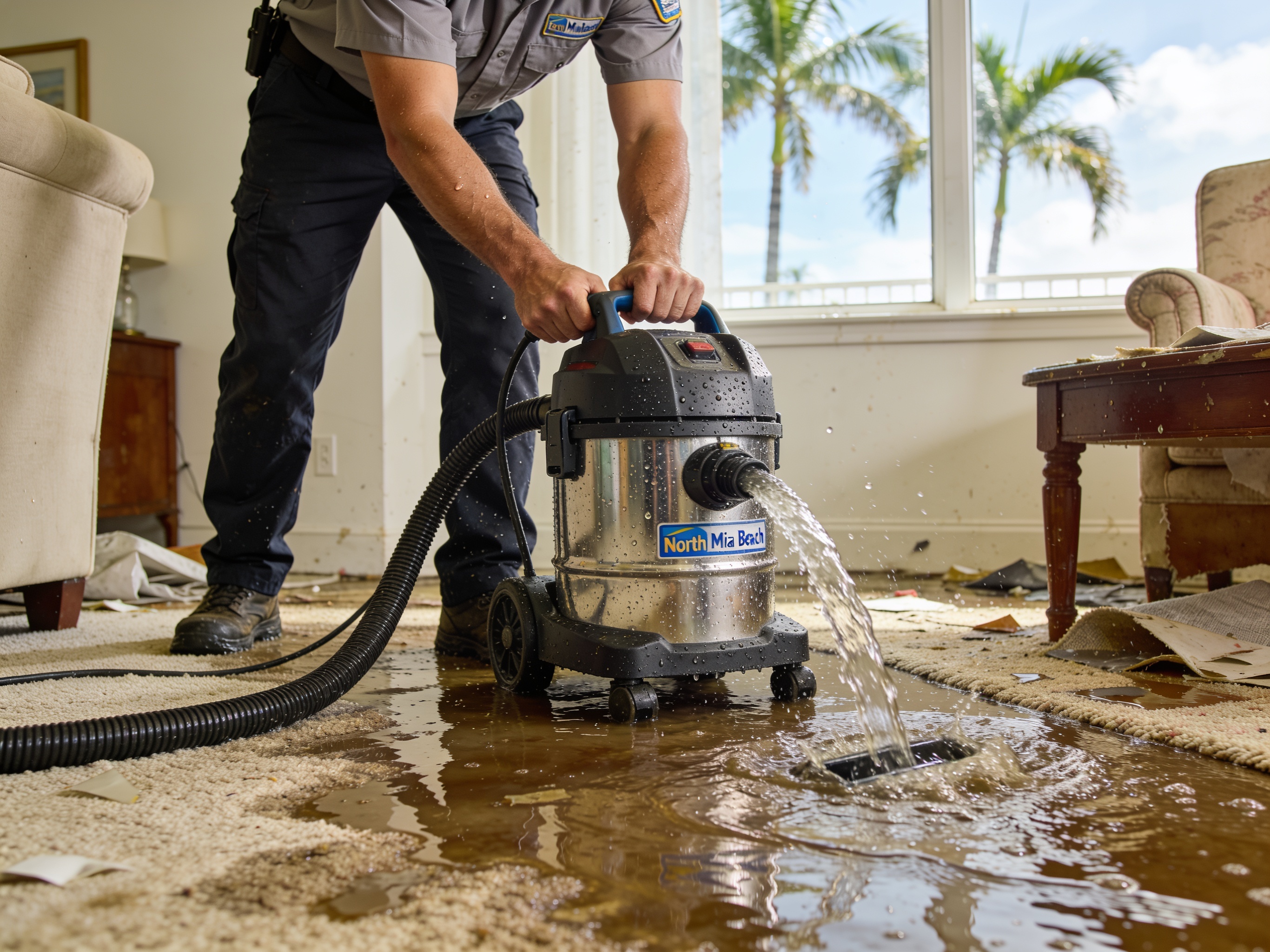
Emergency water extraction in North Miami Beach is a critical first step to protect your home from the significant damage that water intrusion can cause. Given our unique tropical monsoon climate, characterized by hot, wet summers and frequent heavy rainfall, homes in areas like Downtown Miami, Brickell, and even the older structures in Little Havana are particularly vulnerable to water damage. When water invades, whether from a burst pipe, an overflowing appliance, or a sudden downpour, quick action is paramount. Within the first 24–48 hours, standing water can saturate building materials, compromise structural integrity, and create an ideal environment for mold growth. The immediate removal of water minimizes saturation, reduces drying times, and significantly lowers the risk of secondary damage, ultimately saving homeowners in Miami-Dade County considerable repair costs and stress.
Understanding Water Damage in North Miami Beach Homes
Homes in North Miami Beach, ranging from the historic single-family residences in Coconut Grove to the modern high-rises in the Design District, face distinct challenges when it comes to water damage. The combination of high humidity and occasional torrential rains, a hallmark of our climate, means that even minor leaks can escalate rapidly. Older homes, often built with materials less resistant to prolonged moisture exposure, are particularly susceptible. For instance, a small leak in a stucco wall, common in many Coral Gables properties, can quickly lead to hidden water accumulation and rot. Newer constructions, while generally more robust, are not immune; issues like plumbing failures in a Brickell condo or roof leaks after a strong summer storm can still cause substantial damage. Understanding these local nuances is key to effective water damage response. The swiftness of emergency water restoration is not just about removing visible water, but about mitigating the unseen damage that our climate exacerbates.
The type of water damage also dictates the extraction process. Clean water, from a burst supply line, is generally less hazardous but still requires immediate removal to prevent material saturation. Gray water, from appliance overflows like washing machines, carries contaminants and demands more cautious handling. Black water, originating from sewage backups or floodwaters that have mixed with ground contaminants, poses significant health risks and requires specialized sewage backup cleanup and disinfection protocols. Ignoring the category of water can lead to serious health implications for residents and further complicate the restoration process. For instance, a sewage backup in an Overtown home requires a completely different approach than a clean water leak in a Wynwood art gallery.
The Emergency Water Extraction Process
When you experience water intrusion in your North Miami Beach home, the first step is always to ensure safety. Turn off electricity to affected areas and, if possible, identify and stop the water source. Once the immediate danger is addressed, professional emergency water extraction begins. Our team, serving all of Miami-Dade County, from Hialeah to Miami Beach, arrives equipped with powerful pumps and industrial-grade wet vacuums designed to remove large volumes of water quickly. This initial phase is crucial, as every hour standing water remains, the more it seeps into porous materials like drywall, subflooring, and insulation.
Following bulk water removal, the focus shifts to comprehensive drying. This involves deploying high-capacity air movers to circulate air and industrial dehumidifiers to extract moisture from the air and building materials. We monitor moisture levels using specialized meters to ensure thorough drying, preventing potential issues like wood rot or mold growth. This is especially vital in our humid Miami environment, where residual moisture can quickly lead to secondary damage. Our process also includes identifying and addressing hidden moisture pockets, which are common in the older, multi-layered construction found near landmarks like the Vizcaya Museum or the Freedom Tower. For complex situations, particularly in structures with intricate layouts, we also provide structural drying services using industrial dehumidifiers to ensure every hidden corner is addressed.
Preventing Secondary Damage: Mold Remediation and Beyond
Once water extraction and initial drying are complete, the battle isn't over. The high humidity in Miami-Dade County, particularly during the hot, wet summers, creates a perfect breeding ground for mold. If moisture is not completely eliminated, mold can begin to grow within 24–48 hours, often in hidden areas like behind walls or under flooring. This is where comprehensive mold prevention and, if necessary, emergency mold remediation after floods in Miami homes become critical. Our team meticulously inspects affected areas, using thermal imaging and moisture meters to detect any remaining dampness that could foster mold. Should mold be detected, we employ specialized techniques to safely remove it, preventing its spread and protecting your family's health.
Beyond mold, water damage can lead to other costly problems. Saturated drywall can crumble, wooden floors can warp, and electrical systems can be compromised. Our restoration efforts extend to assessing and repairing these damages, working to restore your home to its pre-damage condition. This includes services like carpet and upholstery flood restoration and, if items are too damaged, careful content pack-out and restoration. By addressing all aspects of water damage, from the initial extraction to the final repairs, we ensure a holistic approach to protecting your North Miami Beach property. Our commitment is to provide thorough, owner-operated service, delivering upfront quotes and workmanship you can inspect, Monday through Friday from 8am to 6pm, and Saturday from 9am to 2pm.
Why Quick Action Matters for North Miami Beach Homeowners
The window of opportunity to mitigate water damage effectively is surprisingly short. In our tropical climate, delaying emergency water extraction by even a few hours can significantly increase the scope and cost of repairs. For example, a small amount of standing water that could be extracted and dried within a day might, if left for 72 hours, lead to extensive mold growth requiring costly remediation, replacement of drywall, and even structural repairs. The porous concrete and block construction common in many Miami homes, particularly in areas like Coral Gables and Coconut Grove, can absorb water, wicking it upwards into walls and creating hidden pockets of moisture that are difficult to detect without professional equipment.