
2026-10-21 ·
Emergency Flood Cleanup in Hialeah, FL – Restore Your Home Today
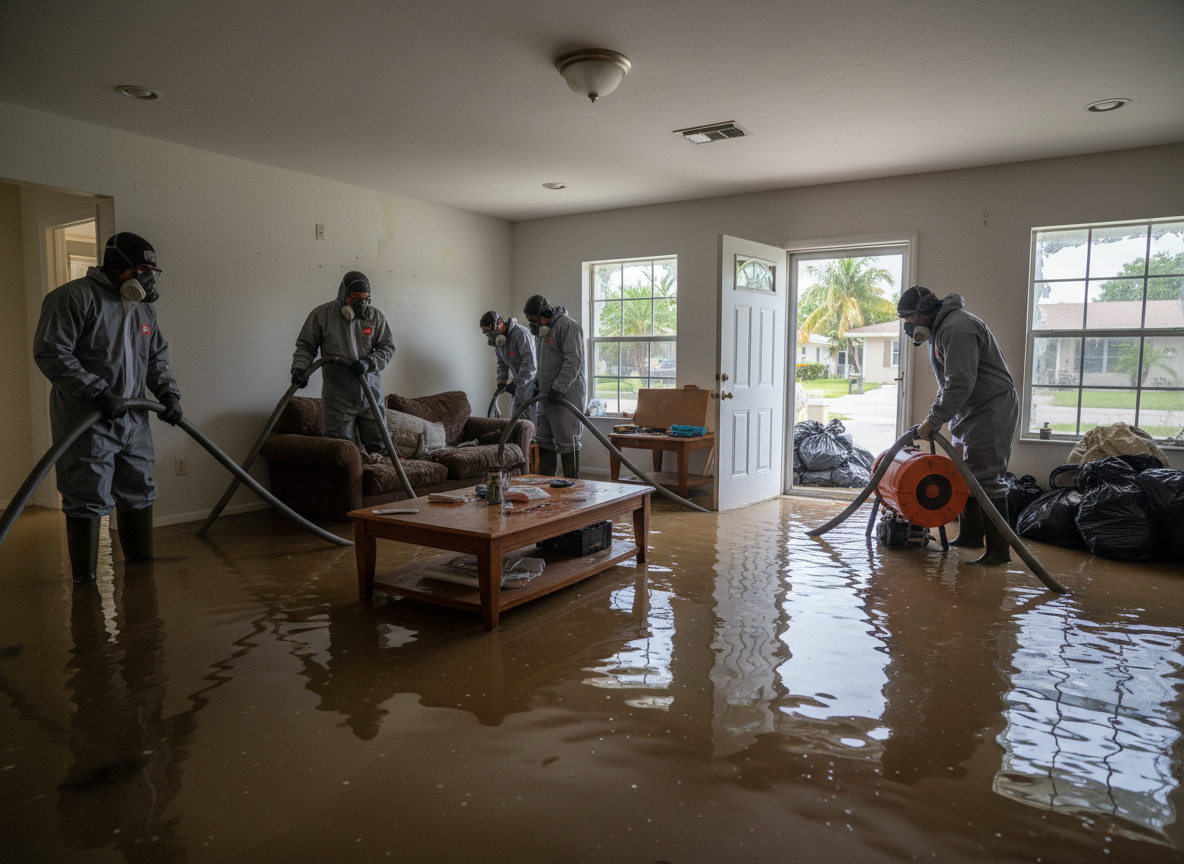
Emergency flood cleanup in Hialeah, FL, involves a comprehensive, multi-step process that typically takes 3–5 days for a standard residential property, though severe cases with extensive structural drying or mold remediation might extend to 1–2 weeks. The immediate goal is to extract standing water, dry affected areas, and prevent secondary damage like mold. Given Miami-Dade County's tropical monsoon climate with hot, wet summers, rapid response is crucial to protect homes from the pervasive humidity and potential for mold growth that can quickly follow any water event, whether from a burst pipe or a heavy downpour.
Understanding Flood Damage in Hialeah Homes
Hialeah, like many of its neighboring cities such as Miami and Coral Gables, features a diverse housing stock, from older, concrete block homes built in the 1950s and 60s to newer constructions. Older homes, particularly those without modern waterproofing, can be more susceptible to water intrusion during heavy rains, which are common during our hot, wet summers. These properties often have original plumbing systems that are nearing the end of their lifespan, increasing the risk of leaks or bursts. When water invades, it doesn't just sit on the surface; it penetrates porous materials like drywall, wood, and insulation, creating pockets of moisture that become breeding grounds for mold within as little as 24–48 hours. This is particularly concerning in the high-humidity environment of South Florida.
The type of flood damage also varies. A sudden pipe burst might create a localized, clean water issue, while an overflowing canal or a sewage backup can introduce highly contaminated water, requiring specialized disinfection protocols. The flat terrain of Hialeah means water can pool easily, and the high water table can exacerbate issues, especially in structures with shallow foundations. Understanding these local nuances is key to effective and lasting restoration. For more details on immediate actions, see our guide on Water Damage Restoration in Miami, FL – Call Now for Fast Emergency Cleanup.
The Emergency Flood Cleanup Process
When you call for emergency flood cleanup in Hialeah, our team typically follows a structured approach to ensure thorough restoration and minimize disruption to your life. The process begins with a rapid assessment to determine the extent of the damage and the category of water involved. This initial step dictates the safety measures and specific restoration techniques needed. For example, a Category 3 (black water) event, often from sewage backups or contaminated floodwaters, demands more rigorous containment and disinfection than a Category 1 (clean water) event from a burst supply line.
Once the assessment is complete, the next critical step is water extraction. Using powerful, industrial-grade pumps and vacuums, we remove standing water from your property. This is followed by the strategic placement of high-capacity air movers and dehumidifiers to thoroughly dry out all affected areas, including hidden pockets of moisture within walls and flooring. This phase is crucial for preventing mold growth, a common problem in Miami-Dade County's humid climate. We monitor moisture levels meticulously using specialized meters to ensure complete drying. Lastly, we clean, sanitize, and deodorize the affected areas, and if necessary, perform mold remediation and structural repairs. For comprehensive services, explore our emergency water damage restoration offerings.
Why Quick Action is Critical in Hialeah
In Hialeah, delaying flood cleanup can lead to significantly more severe and costly problems. Our tropical monsoon climate, characterized by hot, wet summers, creates an ideal environment for mold to flourish when excess moisture is present. Within 24–48 hours of water intrusion, mold spores can begin to colonize, leading to health concerns and further structural damage. Beyond mold, prolonged exposure to water can warp wooden structures, delaminate flooring, and compromise the integrity of drywall and insulation. The longer water sits, the deeper it penetrates, making the drying process more challenging and increasing the likelihood of irreversible damage to personal belongings and building materials.
For instance, hardwood floors can buckle beyond repair, and electrical systems can suffer corrosion, posing safety hazards. The cost of remediation escalates dramatically with time; a quick response might involve only drying and sanitization, while a delayed response could necessitate extensive demolition, mold remediation, and reconstruction. This is particularly true for older homes in areas like Little Havana or Coconut Grove, where the building materials might be more porous or less resilient to prolonged moisture exposure. Addressing the issue promptly can save thousands in repair costs and prevent the stress of a prolonged restoration project.
Common Sources of Flood Damage in Miami-Dade County
Residents in Hialeah and across Miami-Dade County face several common sources of flood damage. Heavy rainfall during our intense summer storms is a primary culprit, often leading to overwhelmed storm drains and localized street flooding that can seep into homes, especially those at lower elevations. We also see frequent issues with plumbing failures, such as burst pipes, overflowing toilets, or malfunctioning water heaters. These incidents, while often localized, can release hundreds of gallons of water in a short period.