
2026-10-21 ·
Attic Water Damage Restoration in Miami, FL – Fix Leaks and Moisture Problems
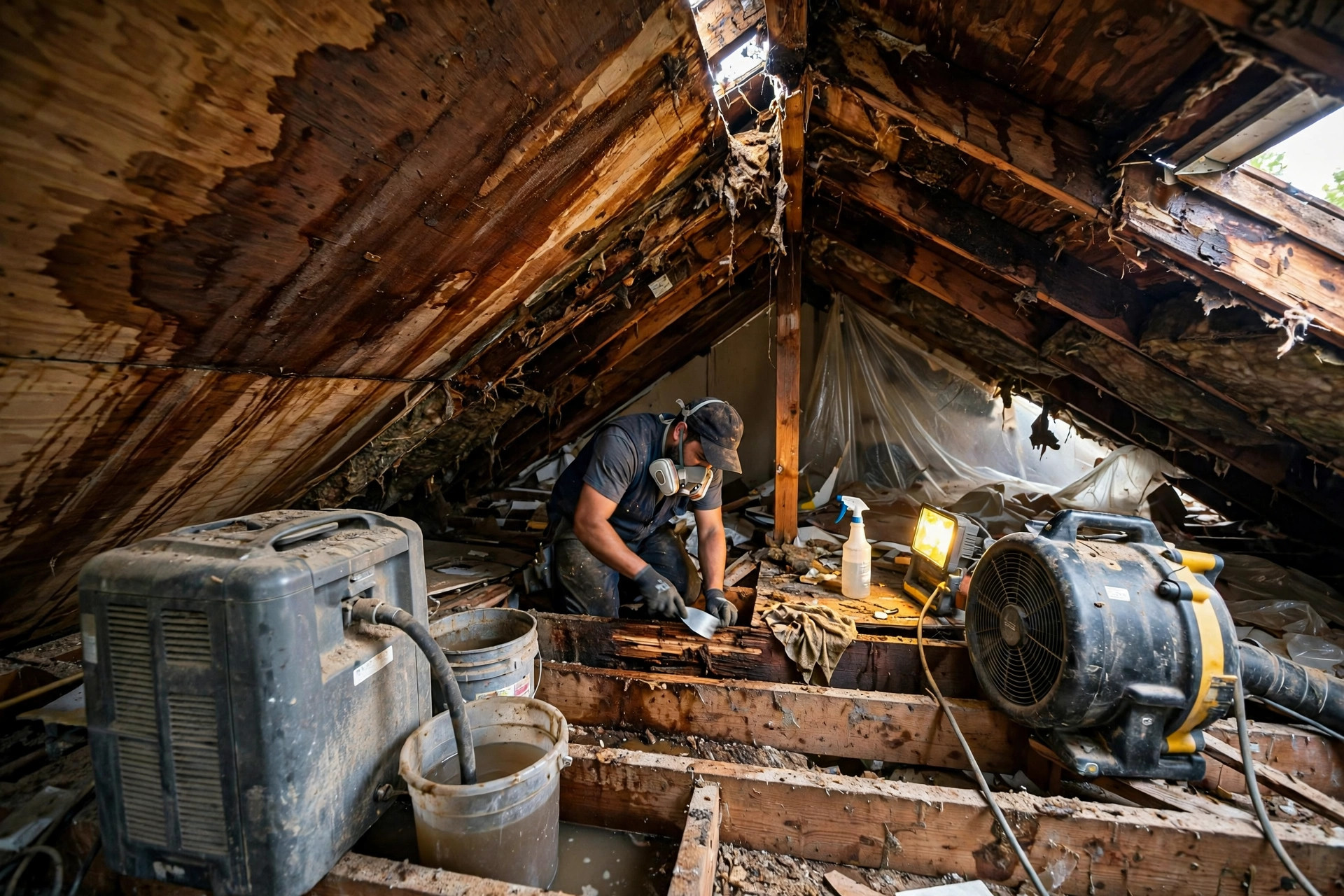
Attic water damage restoration in Miami, FL, typically involves a multi-step process to address leaks and moisture problems, with costs ranging from $1,500 to $7,000 or more, depending on the severity and extent of the damage. This range accounts for everything from minor leak repairs and drying to extensive structural repairs and mold remediation. Given Miami's tropical monsoon climate with its hot, wet summers, attic spaces are particularly vulnerable to moisture intrusion, which can quickly lead to wood rot, compromised insulation, and significant mold growth if not addressed promptly. Homes in areas like Coconut Grove or Coral Gables, with their older, often more complex rooflines and mature tree canopies, can be especially susceptible to debris accumulation that exacerbates water issues.
Common Causes of Attic Water Damage in Miami Homes
Understanding the sources of water intrusion is the first critical step in effective attic water damage restoration. In Miami-Dade County, several factors frequently contribute to attic problems. Roof leaks are paramount, often stemming from damaged or missing shingles, deteriorated flashing around chimneys or vents, or cracks in tile roofs common in many Brickell and Wynwood properties. The intense sun and heavy rains characteristic of our climate accelerate material degradation. Another significant culprit is condensation, especially during our long, humid summers. Poor attic ventilation, combined with the stark temperature difference between a cooled interior and a scorching attic, can cause moisture to condense on structural elements, leading to chronic dampness. This is particularly prevalent in older homes in Little Havana or Overtown, where original ventilation systems may be inadequate for modern cooling demands.
Furthermore, plumbing leaks from pipes running through the attic, such as those supplying water heaters or AC condensate lines, can lead to substantial damage. While less common than roof leaks, a burst pipe can release dozens of gallons of water in a short period, saturating insulation and ceiling materials below. Lastly, storm damage, a frequent occurrence in our region, can compromise roof integrity, allowing wind-driven rain to penetrate the attic space directly. After a hurricane or severe tropical storm, we often see extensive water intrusion requiring immediate attention across Miami, from Downtown Miami to Coral Gables.
Identifying Signs of Attic Water Damage
Early detection of attic water damage can significantly reduce repair costs and prevent more severe issues like structural decay or widespread mold. Homeowners in Miami should regularly inspect their attics, especially after heavy rain or strong winds. Key indicators of water intrusion include:
- Water Stains on Ceilings and Walls: These are often the most visible signs, appearing as discolored patches that may be yellow, brown, or even black. Don't wait until these stains appear on your living room ceiling to investigate; check the attic directly above.
- Damp or Musty Odors: A persistent musty smell, particularly noticeable when entering the attic or specific rooms, is a strong indicator of mold or mildew growth due to excessive moisture.
- Sagging Ceilings or Walls: Water-logged drywall or plaster can become heavy and begin to sag, indicating significant structural damage and saturation.
- Visible Mold Growth: Black, green, or white fuzzy patches on wood beams, insulation, or stored items are clear signs of a moisture problem. Given our climate, mold can proliferate rapidly.
- Pest Infestations: Persistent dampness attracts pests like termites, carpenter ants, and rodents, which thrive in moist environments and can cause additional damage.
If you notice any of these signs, it's crucial to act quickly. Ignoring them can lead to more extensive and costly repairs, including the need for comprehensive mold remediation in Miami-Dade County.
The Attic Water Damage Restoration Process
Effective attic water damage restoration in Miami involves a systematic approach to ensure all moisture is removed, repairs are made, and future problems are prevented. Our process typically includes:
- Emergency Water Extraction and Damage Assessment: The first step is to quickly identify the source of water and stop it. We then use specialized equipment to assess the extent of the water damage, including moisture meters and thermal imaging cameras, to locate hidden pockets of saturation. This initial phase is crucial for developing a tailored restoration plan.
- Water Removal and Drying: Industrial-grade dehumidifiers and high-volume air movers are deployed to thoroughly dry out the attic space, including structural wood, insulation, and any affected belongings. Proper structural drying is paramount to prevent mold growth, especially in Miami's humid environment. This often requires several days of continuous operation.
- Dehumidification and Anti-Microbial Treatment: Once visible water is removed, the focus shifts to reducing humidity levels to prevent secondary damage and inhibit microbial growth. An anti-microbial agent is applied to all affected surfaces to sanitize the area and deter mold and mildew from returning. This step is critical in our tropical climate where mold spores are abundant.
- Cleaning and Sanitization: All affected surfaces are cleaned and sanitized. Contaminated insulation, drywall, and other materials that cannot be salvaged are safely removed and disposed of. We ensure that the attic is left clean and quick of any lingering
For more on our comprehensive approach, you can learn about our general water damage restoration process.