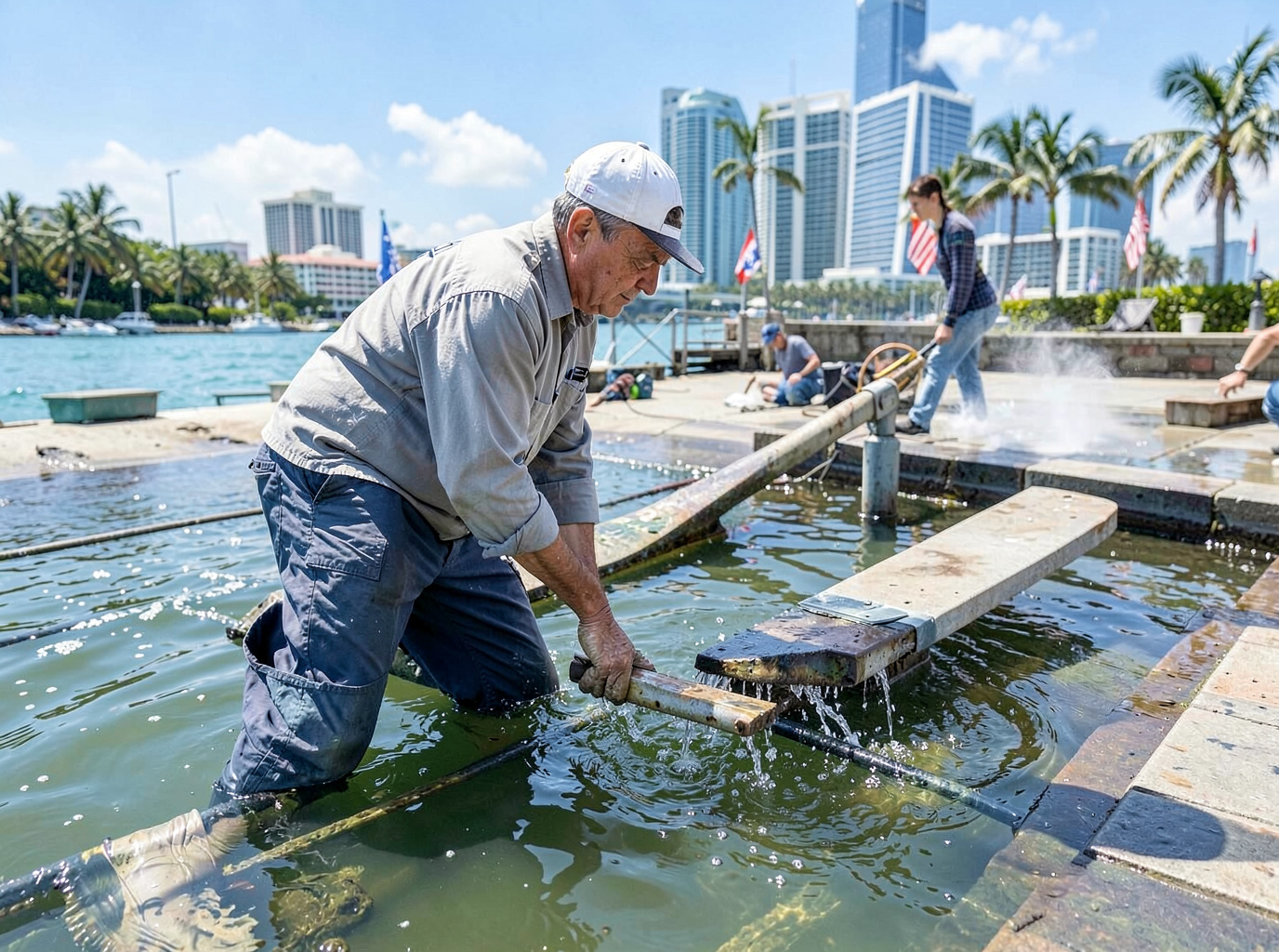
In Miami-Dade County, our tropical monsoon climate means hot, wet summers with frequent downpours and the constant threat of tropical storms. This environment creates unique challenges for water damage restoration. When water intrudes, whether from a burst pipe in a historic Little Havana bungalow or a storm surge affecting a high-rise in Brickell, rapid response is critical. The high humidity levels common throughout the year, especially from May to October, accelerate mold growth, turning a simple leak into a complex mold remediation project if not addressed immediately. We understand the construction types prevalent here, from the concrete block homes in Coconut Grove to the newer developments in the Design District, and tailor our drying and restoration protocols to these specific materials.
Effective water damage restoration goes beyond just removing visible water. It involves a thorough assessment of moisture penetration into structural elements like drywall, flooring, and insulation, which can vary significantly depending on the building's age and construction. Older homes in areas like Overtown or parts of Coral Gables, with their original lath and plaster walls or wood subfloors, react differently to water exposure than modern constructions with gypsum board and concrete slabs. Our approach includes using advanced moisture detection equipment to pinpoint hidden water, preventing long-term issues like structural decay or persistent musty odors. We focus on comprehensive drying to bring relative humidity levels down, crucial for preventing secondary damage and mold, especially given Miami's naturally high ambient humidity.
The proximity to the ocean and the city's low elevation in many areas, including Downtown Miami and near Bayside Marketplace, means that water intrusion often comes with elevated salinity, particularly after storm surges. This requires specific cleaning and sanitization protocols to prevent corrosive damage to metals and electronics, and to ensure proper drying without leaving behind salt residues that can attract further moisture. We also consider the unique challenges posed by multi-story buildings common in areas like Wynwood and near Marlins Park, where water can cascade through multiple units, requiring coordinated and efficient restoration efforts to minimize disruption to residents and businesses alike. Our goal is to restore properties efficiently, ensuring they are safe and dry, ready to withstand Miami's challenging climate.
Understanding Water Damage Categories
Water damage is categorized based on the contamination level of the water, which dictates the restoration approach. Category 1 involves clean water, like a burst supply line, posing no immediate health threat. Category 2, or 'grey water,' contains significant contamination, such as washing machine overflow, and can cause illness if ingested. Category 3, 'black water,' is grossly contaminated, originating from sewage backups, floodwaters from rivers, or seawater, and contains pathogenic agents. In Miami, especially during our wet season, we frequently encounter Category 3 water from storm surges or overflowing canals, requiring specialized containment, removal, and sanitization techniques to protect health and property. Proper categorization is the first critical step in any effective water damage restoration project here.
Technician insight
In Miami, the thing that catches most people out with water restoration is underestimating how quickly mold can set in, especially during our long, hot, and incredibly humid summers. A small leak in a Brickell condo or a Little Havana home, if not dried out thoroughly and immediately, can become a significant mold problem within 24-48 hours. The ambient humidity here acts like a turbocharger for mold growth, making rapid, comprehensive drying absolutely non-negotiable.
Hidden Leak in a Coral Gables Historic Home
A homeowner in Coral Gables reported a persistent musty smell but no visible water. We found a slow, hidden leak from an aging supply line behind a wall, saturating original plaster and wood framing. We carefully opened the wall, extracted the trapped moisture, and set up targeted drying equipment, successfully preventing significant structural damage and mold growth in the historic structure.
Water Restoration Services We Offer
✓Emergency Water Extraction
Rapid removal of standing water from your property using powerful pumps and vacuums, crucial for minimizing damage after a flood or major leak in any Miami-Dade County neighborhood.
✓Structural Drying & Dehumidification
Utilizing industrial-grade air movers and dehumidifiers to thoroughly dry out building materials and contents, preventing secondary damage and mold growth in Miami's humid environment.
✓Leak Detection & Repair Coordination
Identifying the source of water intrusion, whether a hidden pipe leak in Coral Gables or a roof issue, and coordinating with trusted partners for necessary repairs to prevent recurrence.
✓Contents Drying & Restoration
Careful assessment and restoration of salvageable personal belongings, furniture, and documents affected by water, often crucial for homes in historic areas like Coconut Grove.
✓Sewage Backup Cleanup
Safe and thorough removal of hazardous sewage, including disinfection and deodorization, essential for health and safety after plumbing failures in any Miami property.
✓Post-Storm Water Damage Cleanup
Comprehensive cleanup and drying services specifically tailored for properties impacted by tropical storms and heavy rains, common during Miami's wet season.
How it works
- 1
Emergency Response & Assessment
Upon your call, our team mobilizes quickly to your Miami-Dade County location. We conduct a detailed assessment using advanced moisture detection tools to identify the extent of water intrusion, from a minor leak in Hialeah to significant flood damage in Downtown Miami.
- 2
Water Extraction & Removal
Using high-powered pumps and extraction units, we rapidly remove standing water from your property. This critical step minimizes saturation and prevents further damage to structures and contents, especially important in Miami's humid climate.
- 3
Drying, Dehumidification & Sanitization
We deploy industrial-strength air movers and dehumidifiers to thoroughly dry all affected areas, including hidden pockets of moisture. For contaminated water, we apply professional-grade sanitizers and deodorizers to ensure a safe and healthy environment.
- 4
Monitoring & Final Inspection
Throughout the drying process, we continuously monitor moisture levels to ensure optimal conditions are met. Once dry, we conduct a final inspection to confirm successful restoration, making sure your property in areas like Miami Beach or Wynwood is restored to pre-damage condition.
Pricing
Upfront, transparent quotes based on the scope and category of water damage.